The Quiff: A Timeless Men’s Hairstyle That Endures
The quiff. A hairstyle that effortlessly blends classic sophistication with modern edge. For decades, it has graced the heads of icons, rebels, and everyday men, proving its enduring appeal across generations and styles. From the slicked-back precision of a 1950s greaser to the textured, voluminous quiff of today’s modern man, this versatile cut continues to evolve while retaining its core charm. This article will delve deep into the world of the men’s quiff haircut, exploring its history, variations, styling techniques, and how to choose the perfect quiff to suit your face shape and hair type.
A Journey Through Time: The History of the Quiff
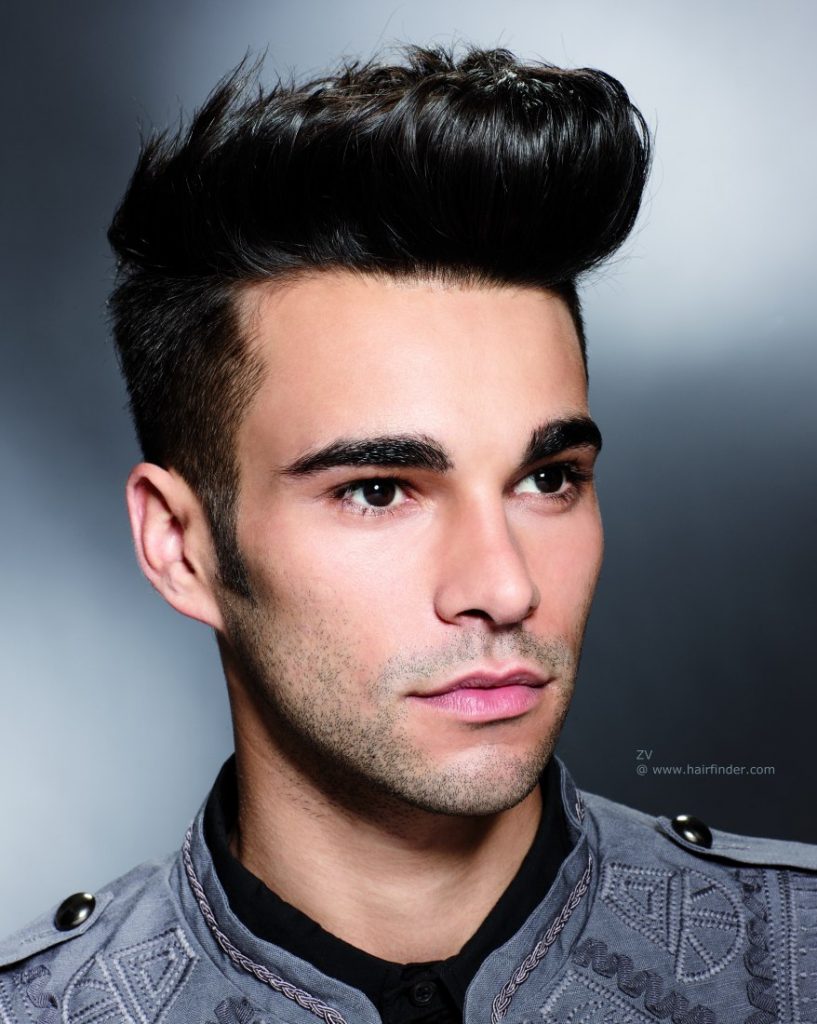
The quiff’s roots are surprisingly deep, stretching back to the early 20th century. While pinpointing its exact origin is difficult, its precursors can be found in various hairstyles throughout history. Think of the pompadours of the 19th century, the voluminous styles of the flapper era, and the slicked-back looks of the early Hollywood golden age. These styles all share a common thread: a raised, voluminous section of hair at the front, which is the defining characteristic of the quiff.
The quiff truly exploded in popularity during the 1950s, becoming a symbol of rebellion and youthful energy. Icons like Elvis Presley, James Dean, and Marlon Brando popularized the style, sporting perfectly sculpted quiffs that exuded confidence and charisma. This era saw the quiff at its most classic, characterized by its high volume, slicked-back finish, and often paired with sideburns and a neatly trimmed neckline.
The decades that followed saw variations on the classic quiff emerge. The 1960s brought a slightly softer, less structured version, often incorporating a fringe that blended into the quiff. The 1970s saw a move towards more textured and natural looks, with the quiff becoming less meticulously styled. Throughout the late 20th and early 21st centuries, the quiff remained a staple, adapting to changing trends and evolving into the diverse range of styles we see today.
Variations on a Theme: Exploring Different Quiff Styles
The beauty of the quiff lies in its adaptability. It can be tailored to suit a wide range of hair types, face shapes, and personal styles. Here are some of the most popular variations:
-
Classic Quiff: This is the quintessential quiff, characterized by its high volume, slicked-back finish, and sharp lines. It’s a bold and sophisticated style that requires a bit of styling product and attention to detail.
-
Textured Quiff: This modern take on the classic quiff embraces a more natural, less polished look. The hair is styled with a matte product to create texture and volume, resulting in a more relaxed and effortless vibe.
-

Short Quiff: Ideal for those with shorter hair, this version features a shorter, less voluminous quiff that sits closer to the scalp. It’s a great option for a more understated yet stylish look.
-
Long Quiff: This style showcases longer hair, allowing for more dramatic volume and styling possibilities. It can be styled slicked back, textured, or with a more tousled finish.
-
Side Part Quiff: This variation incorporates a side part, adding a touch of sophistication and elegance to the quiff. The side part can be sharp and defined or softer and more natural.
-
Undercut Quiff: This contemporary style combines the quiff with an undercut, creating a striking contrast between the long hair on top and the short, shaved sides. It’s a bold and stylish choice that is perfect for showcasing a strong jawline.
-
Faded Quiff: A faded quiff incorporates a fade on the sides and back, creating a seamless transition from short to long hair. The fade can be high, mid, or low, allowing for customization to suit individual preferences.
Styling Your Quiff: Products and Techniques
Achieving the perfect quiff requires the right tools and techniques. The key is to understand your hair type and choose products that will help you achieve the desired volume, texture, and hold.
Products:
-
Pomade: Pomades offer a strong hold and a glossy finish, making them ideal for creating classic, slicked-back quiffs. They come in water-based and oil-based varieties, with water-based pomades being easier to wash out.
-
Hair Wax: Hair waxes provide a medium hold and a matte finish, perfect for creating textured quiffs with a more natural look. They are generally easier to work with than pomades.
-
Hair Clay: Hair clays offer a strong hold and a matte finish, ideal for creating structured quiffs with a textured look. They are best suited for thicker hair types.
-
Hair Spray: Hair spray is essential for setting your style and ensuring it lasts throughout the day. Choose a strong-hold hair spray for maximum hold.
Techniques:
-
Prep your hair: Start with clean, dry hair. If your hair is naturally fine or lacks volume, consider using a volumizing mousse or spray before styling.
-
Apply product: Take a small amount of your chosen styling product (pomade, wax, or clay) and work it evenly through your hair.
-
Create volume: Use a comb or your fingers to lift and shape the hair at the front, creating the characteristic volume of the quiff.
-
Style the sides: Style the sides of your hair according to your chosen quiff variation – slicked back, textured, or faded.
-
Set your style: Use hairspray to set your style and ensure it lasts throughout the day.
Choosing the Right Quiff for Your Face Shape
The right quiff can enhance your facial features and create a balanced look. Consider your face shape when choosing a quiff style:
-
Oval Face: Oval faces can pull off almost any quiff style.
-
Round Face: A quiff with height and volume on top can help to elongate a round face. Avoid styles that are too short or wide.
-
Square Face: Soften a square face with a quiff that has some texture and volume, but avoid overly structured styles.
-
Long Face: A quiff that is wider at the sides can help to balance a long face. Avoid styles that are too tall and narrow.
-
Heart Face: A quiff with volume at the sides can help to balance a heart-shaped face. Avoid styles that are too tall and narrow.
Maintaining Your Quiff:
Maintaining your quiff involves regular trims and proper hair care. Visit your barber every 3-4 weeks for a trim to keep your quiff looking sharp and well-maintained. Use a good quality shampoo and conditioner to keep your hair healthy and manageable. Experiment with different products and techniques to find what works best for your hair type and desired look.
The quiff is more than just a hairstyle; it’s a statement. It’s a versatile and enduring style that can be adapted to suit any man’s personality and style. With a little practice and the right products, you can master the art of the quiff and rock this timeless classic with confidence.


