Growing Out a Buzz Cut: A Comprehensive Guide to the Transition
The buzz cut. A bold statement, a clean slate, a refreshing break from lengthy locks. But what happens when the initial thrill fades, and you’re left staring at a head of stubble, contemplating the daunting task of growing out your buzz cut? Fear not, fellow buzz-cut graduates! This comprehensive guide will walk you through every stage of the transition, offering advice, styling tips, and solutions to common growing-out woes.
Phase 1: The Awkward Stage (Weeks 1-4)

The first few weeks are undoubtedly the most challenging. Your hair is short, uneven, and likely sticking up in unpredictable directions. This is the dreaded "awkward stage," a period that tests your patience and commitment to the grow-out process. The key here is to manage expectations and embrace the temporary discomfort.
-
Styling: At this point, styling options are limited. A small amount of matte pomade or styling cream can help tame unruly hairs and create a slightly more polished look. Avoid products with shine, as they can accentuate the unevenness. Consider using a low-hold hairspray for extra control.
-
Maintenance: Regular trims are crucial during this phase. While you’re aiming for length, a quick trim every 2-3 weeks can help maintain a consistent shape and prevent the hair from looking too patchy or unkempt. Ask your barber for a very slight trim, focusing on blending any uneven spots. Avoid drastic cuts, as this will only prolong the awkward phase.
-
Patience: This is the time to remind yourself of your long-term hair goals. Remember, this phase is temporary. Focus on healthy hair care practices, such as regular washing with a gentle shampoo and using a conditioner to keep your hair hydrated and manageable.
Phase 2: The Fringe Phase (Weeks 5-8)
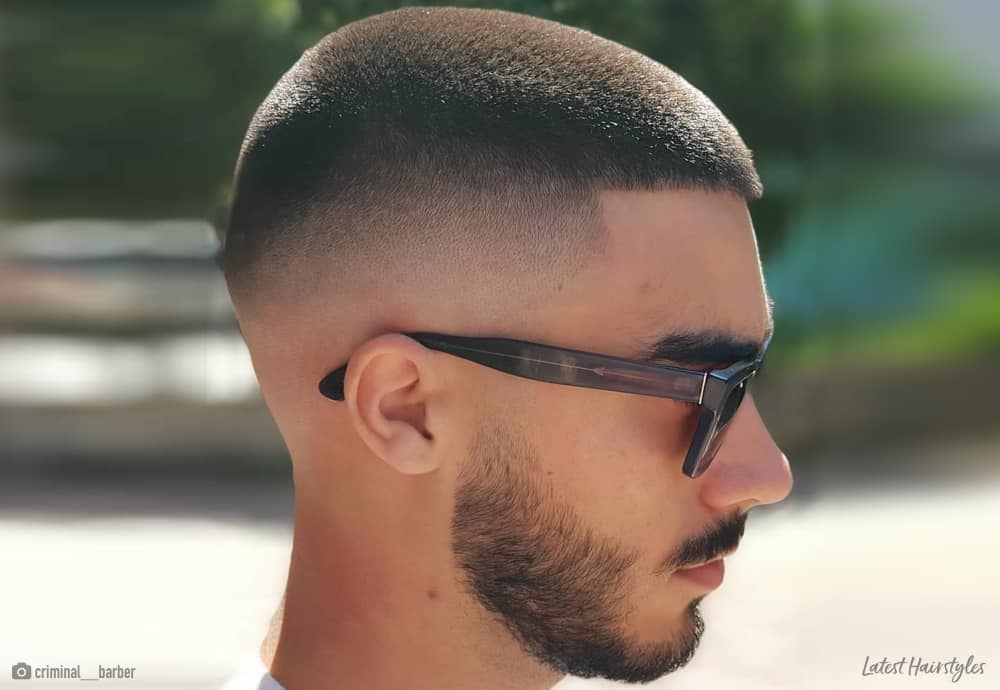
As your hair grows longer, you’ll start to notice a fringe forming. This is a significant milestone, marking the beginning of more styling possibilities. The fringe can be styled in various ways, depending on your hair type and personal preference.
-
Styling Options: You can sweep your fringe to the side, style it upwards with a little product, or let it fall naturally. Experiment with different styles to find what suits your face shape and overall aesthetic. Consider using a hair dryer to direct the fringe into your desired shape.
-
Product Selection: As your hair gets longer, you can experiment with different styling products. A light-hold mousse can add volume and texture, while a medium-hold pomade can provide more control and definition.
-
Addressing Patchiness: If you notice patches of hair growing slower than others, you can use strategically placed styling products to camouflage the unevenness. A texturizing spray can add volume to thinner areas, making them less noticeable.
Phase 3: The Shape Begins to Emerge (Weeks 9-12)
By now, your hair should have enough length to begin taking on a more defined shape. You might start to see the beginnings of a fade, a side part, or a longer style depending on your desired outcome. This is an exciting stage, as you can start to visualize your final hair goal.
-
Styling Advancements: You can now explore more advanced styling techniques, such as using a comb-over or creating a textured look with a sea salt spray. Experiment with different parting styles to find the one that best complements your face shape.
-
Regular Trims: While you’re aiming for length, occasional trims are still necessary to maintain the shape and prevent split ends. Work closely with your barber to refine the shape and create a style that aligns with your desired look. This is the time to discuss your long-term hair goals and get their professional advice.
-
Hair Health Focus: Continue prioritizing healthy hair care practices. Use a good quality shampoo and conditioner, and consider incorporating a hair mask once a week to keep your hair hydrated and strong.
Phase 4: The Transformation (Weeks 13 onwards)
From this point onwards, the transition becomes less about managing awkwardness and more about refining your style. You’ll have enough length to achieve a variety of hairstyles, from classic cuts to modern trends.
-
Style Exploration: This is your chance to explore different styles and find what suits you best. Consider consulting with a stylist to get personalized recommendations based on your hair type, face shape, and personal style.
-
Maintenance and Upkeep: Regular trims are still important to maintain the shape and prevent split ends. However, the frequency of trims will depend on your desired style and hair growth rate.
-
Experimentation: Don’t be afraid to experiment with different products and techniques. Try different types of pomades, waxes, clays, and gels to find what works best for your hair type and desired style.
Dealing with Common Growing-Out Challenges:
-
Uneven Growth: This is a common issue, especially in the early stages. Regular trims can help to minimize unevenness. In some cases, using styling products to camouflage uneven areas might be necessary.
-
Patchiness: Patchiness can be frustrating, but it’s usually temporary. Maintaining a healthy diet, managing stress, and ensuring adequate sleep can promote healthy hair growth. Topical treatments might also be beneficial in some cases.
-
Itching: Itching is common as your hair grows out. Use a gentle shampoo and conditioner to avoid irritating your scalp. Avoid scratching, as this can lead to further irritation and potentially damage your hair follicles.
-
Dealing with the "In-Between" Stages: The "in-between" stages can be challenging, but remember that they are temporary. Embrace the process and use styling products to create the best possible look during these transitional phases.
Choosing the Right Products:
The right products can make a significant difference in the growing-out process. Choose products that are tailored to your hair type and desired style. Consider the following:
-
Shampoo and Conditioner: Choose a gentle shampoo and conditioner that won’t strip your hair of its natural oils. Look for products that are formulated for your hair type (e.g., fine hair, thick hair, dry hair).
-
Styling Products: Experiment with different styling products to find what works best for your hair. Consider pomades, waxes, clays, mousses, gels, and hairsprays. Start with light-hold products and gradually increase the hold as your hair grows longer.
-
Hair Treatments: Consider incorporating a hair mask or deep conditioner once a week to keep your hair hydrated and healthy. This is especially important during the growing-out process, as your hair might be more prone to dryness and breakage.
Final Thoughts:
Growing out a buzz cut is a journey, not a race. Embrace the process, experiment with different styles, and remember that patience is key. With the right approach and the right products, you can navigate the awkward stages and emerge with a stylish and confident new look. Remember to consult with a professional stylist for personalized advice and guidance throughout the process. They can help you choose the right products, develop a suitable maintenance plan, and ensure a smooth transition to your desired hairstyle. Most importantly, enjoy the transformation and celebrate your unique style journey.


