The Ultimate Guide to Men’s Haircuts Based on Face Shape
Choosing the right haircut can dramatically enhance your overall appearance. While personal style plays a significant role, understanding your face shape and selecting a cut that complements it is crucial for achieving a truly flattering look. This comprehensive guide will delve into the various face shapes for men and offer tailored haircut suggestions to help you find the perfect style.
Identifying Your Face Shape:
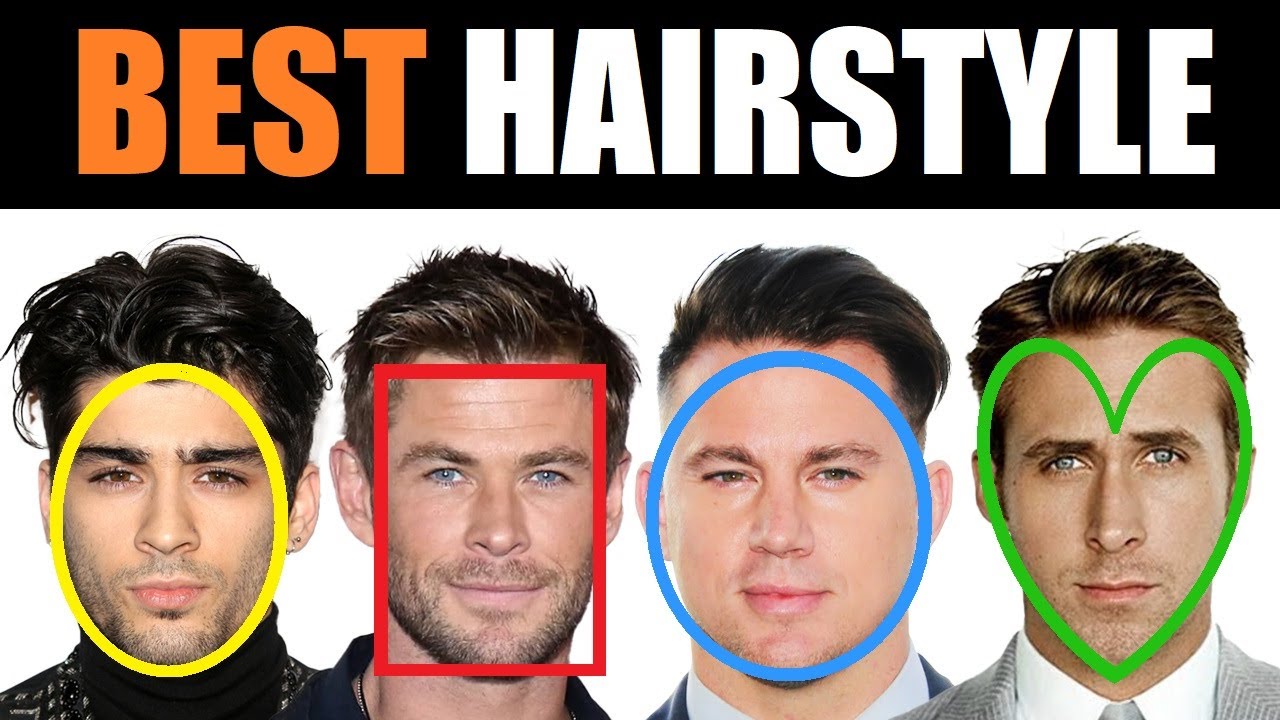
Before exploring haircut options, it’s essential to accurately determine your face shape. Stand in front of a mirror and trace the outline of your face with a lipstick or marker. Observe the proportions and angles to identify which category best describes your features. Here are the most common face shapes for men:
-
Oval: This is considered the ideal face shape, characterized by a slightly longer length than width, with a rounded chin and hairline. The forehead is generally wider than the jawline, tapering gently towards the chin.
-
Round: A round face has a similar width and length, with soft, rounded features. The cheeks are usually full, and the jawline is not sharply defined.
-
Square: A square face has a strong jawline that is roughly the same width as the forehead. The overall shape is angular and defined.
-
Rectangle (or Oblong): This shape is longer than it is wide, with a prominent forehead and a strong jawline. The length is significantly more noticeable than the width.

-
Triangle (or Pear): A triangle face has a narrower forehead and a wider jawline, creating a triangular shape.
-
Inverted Triangle: This face shape features a wide forehead and a narrow chin, creating an inverted triangle.
-
Diamond: A diamond face is characterized by a narrow forehead and chin, with the widest point at the cheekbones.
Hairstyle Recommendations Based on Face Shape:
Now that you’ve identified your face shape, let’s explore the best haircut options for each:
1. Oval Face Shape:
The oval face shape is incredibly versatile, allowing for a wide range of hairstyles. Experimentation is encouraged! However, some styles particularly complement this shape:
- Classic Styles: Side parts, pompadours, quiffs, and textured crops all work well. These styles add volume and enhance the natural balance of the face.
- Length: Medium to long lengths are generally flattering, but shorter styles can also look great.
- Avoid: Hairstyles that are too heavy or cover the entire forehead can make the face appear shorter and rounder. Avoid overly blunt cuts that lack texture.
2. Round Face Shape:
The goal with a round face is to create the illusion of length and angles. Hairstyles that add height and definition are ideal:
- Recommended Styles: Textured crops with height on top, side parts with longer hair on top, and styles with bangs swept to the side. These create vertical lines that elongate the face.
- Length: Medium to long lengths generally work better than very short styles, which can emphasize roundness.
- Avoid: Short, blunt cuts that are too close to the face will accentuate the roundness. Avoid heavy bangs that cover the forehead. Long, straight hair without any layering can also make the face look wider.
3. Square Face Shape:
The square face shape benefits from hairstyles that soften the strong jawline and add some softness:
- Recommended Styles: Slightly longer styles with layers, side-swept bangs, and textured cuts that soften the angles. These styles help to balance the strong jawline.
- Length: Medium to long lengths generally work well, while shorter styles can be chosen with careful layering to avoid making the face appear boxy.
- Avoid: Very short, blunt cuts that emphasize the square jawline. Avoid styles with straight, harsh lines that accentuate the angularity.
4. Rectangle (Oblong) Face Shape:
The goal for a rectangular face is to create the illusion of width and reduce the emphasis on length:
- Recommended Styles: Side swept bangs, fuller styles with volume on the sides, and styles with a textured fringe. These add width and balance to the face.
- Length: Medium length styles generally work best. Shorter styles can make the face appear longer, while very long styles can further elongate the face.
- Avoid: Very short or very long styles that further emphasize the length of the face. Avoid styles that are slicked back or too neatly parted, which can make the face appear even longer.
5. Triangle (Pear) Face Shape:
The focus for a triangle face is to balance the wider jawline with the narrower forehead:
- Recommended Styles: Hairstyles with volume on top, side swept bangs, and textured layers to add width to the forehead. These styles help to create a more balanced proportion.
- Length: Medium length styles generally work well. Shorter styles can emphasize the wider jawline, while long styles can make the face appear even more triangular.
- Avoid: Styles with very short sides and long hair on top, which will further emphasize the wider jawline. Avoid styles that are too short and tight.
6. Inverted Triangle Face Shape:
The goal for an inverted triangle face is to reduce the width of the forehead and add volume to the chin area:
- Recommended Styles: Styles with volume and texture around the chin and jawline, side parts, and layers that add fullness at the bottom. These styles help to balance the proportions.
- Length: Medium length styles are generally the most flattering. Shorter styles can make the forehead appear wider, while long styles can make the face appear longer.
- Avoid: Styles with heavy bangs or volume at the top of the head, which will further emphasize the wide forehead. Avoid styles that are too short and tight.
7. Diamond Face Shape:
The diamond face shape needs a style that adds volume to the forehead and chin, balancing the prominent cheekbones:
- Recommended Styles: Styles with side swept bangs, layers that add volume to the forehead and chin, and textured styles that soften the overall look. These styles help to create a more balanced proportion.
- Length: Medium length styles often work well. Shorter styles can emphasize the cheekbones, while long styles can make the face appear longer.
- Avoid: Styles that are too short and tight, which will further emphasize the cheekbones. Avoid styles that are slicked back or too neatly parted.
Beyond Face Shape:
While face shape is a crucial consideration, other factors influence the ideal haircut:
- Hair Texture: Thick hair can handle more styling products and complex cuts, while fine hair may require shorter, simpler styles.
- Hair Density: Dense hair can be styled in various ways, while thin hair might benefit from specific techniques to create volume.
- Lifestyle: A busy lifestyle may necessitate low-maintenance styles, while those with more time can opt for more intricate cuts.
- Personal Style: Ultimately, your personal preferences should guide your final decision. Don’t be afraid to experiment and find what makes you feel confident and comfortable.
Conclusion:
Choosing the right haircut is a personal journey. This guide provides a framework for understanding the interplay between face shape and hairstyle. By considering your face shape and other factors, you can make an informed decision and achieve a look that enhances your features and reflects your personal style. Remember to consult with a skilled barber or stylist who can offer personalized advice and help you achieve the perfect cut. Don’t hesitate to bring photos of styles you like to your appointment for a better understanding of what you’re aiming for. With the right haircut, you’ll not only look great but also feel confident and empowered.


