A Comprehensive Guide to Men’s African Haircuts
African men have a rich and diverse heritage of hairstyles, reflecting cultural traditions, personal style, and evolving trends. From the classic fades and intricate braids to the modern twists and textured crops, the options are limitless. This comprehensive guide explores the vast world of men’s African haircuts, offering insights into popular styles, maintenance tips, and considerations for different hair types and textures.
Understanding African Hair Texture
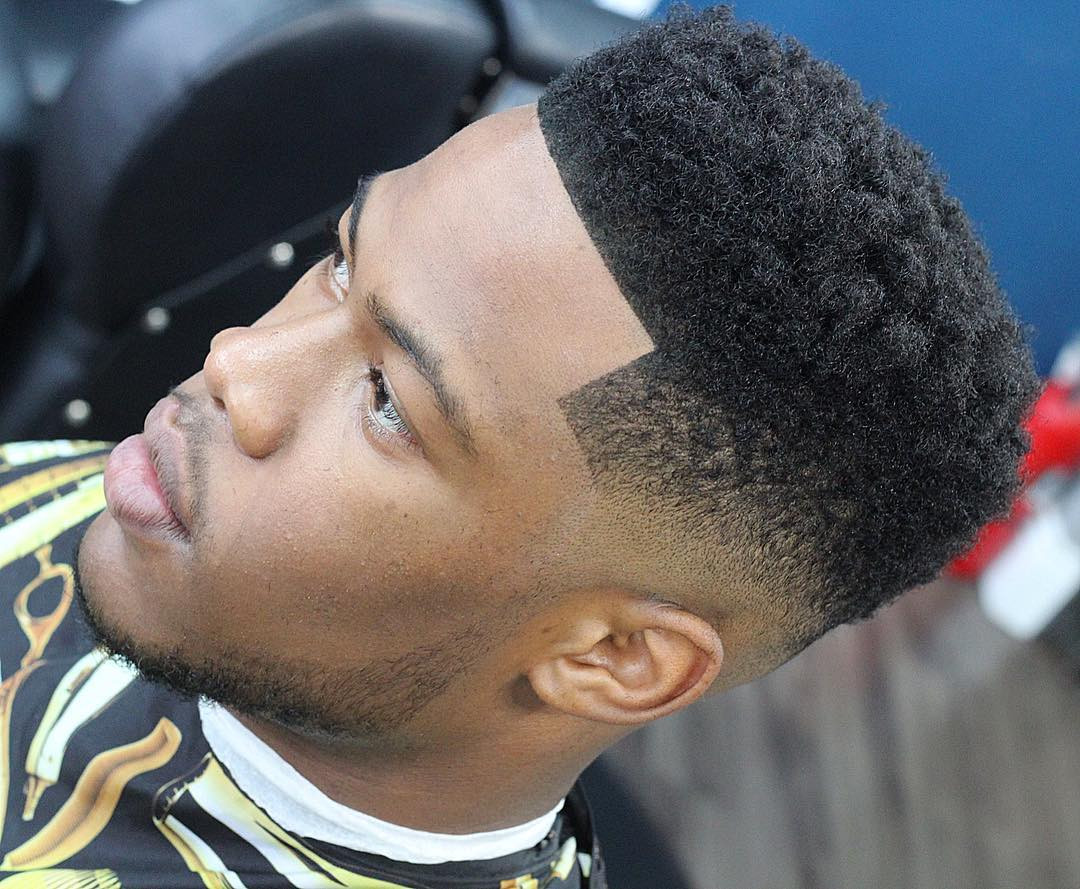
Before diving into specific hairstyles, it’s crucial to understand the unique characteristics of African hair. Generally, it’s categorized as Type 4 hair on the Andre Walker Hair Typing System, characterized by tightly coiled, kinky strands. This texture is often prone to dryness, fragility, and shrinkage. Understanding your hair type is fundamental to choosing a style that complements your texture and minimizes potential damage. Type 4 hair further breaks down into subtypes:
- Type 4A: Hair is tightly coiled with an "S" pattern, relatively defined and less prone to shrinkage than other Type 4 types.
- Type 4B: Hair is tightly coiled with a "Z" pattern, more densely packed and prone to shrinkage. It often appears wiry and zig-zagging.
- Type 4C: Hair is tightly coiled with a very tight "Z" pattern, densely packed, and highly prone to shrinkage. It’s often characterized by a soft, fluffy appearance.
Knowing your subtype allows you to select products and styling techniques best suited for your specific needs. For example, Type 4C hair may benefit from heavier moisturizing products and gentler styling methods compared to Type 4A hair.
Popular Men’s African Haircuts
The range of hairstyles available for African men is incredibly diverse, encompassing both traditional and modern styles. Here are some of the most popular options:
1. Low, Mid, and High Fades: These classic cuts involve gradually tapering the hair from longer on top to shorter or even shaved on the sides and back. The fade’s height (low, mid, or high) determines where the transition begins. Fades are incredibly versatile and can be paired with various top styles, from textured crops to longer, styled looks.
- Low Fade: The transition starts lower down, closer to the nape of the neck.
- Mid Fade: The transition starts midway between the top and the nape of the neck.
- High Fade: The transition starts higher up, closer to the temples and hairline.

2. Taper Fade: Similar to a fade, but the transition is less drastic and more gradual, creating a softer, less defined line.
3. Drop Fade: A bold variation of the fade, featuring a sharp, curved line that drops down behind the ear.
4. Temple Fade: A fade that focuses solely on the temples, leaving the back and sides longer.
5. Braids: Braiding is a traditional African hairstyle with countless variations. From cornrows (closely braided lines against the scalp) to box braids (larger, thicker braids), braids offer a protective style that keeps hair healthy and styled. They can be styled in various patterns and lengths.
6. Twists: Similar to braids, but instead of braiding the hair, two strands are twisted together. Twists can be done in various sizes and styles, offering versatility and a less time-consuming alternative to braiding.
7. Locs (Dreadlocks): Locs are formed by allowing hair to naturally matt and coil together. They require patience and maintenance but offer a unique, powerful look.
8. Afro: A natural, voluminous style that embraces the hair’s natural texture and curl pattern. It’s a low-maintenance style that celebrates natural beauty.
9. Textured Crop: A short, textured style that allows for volume and movement on top. This is a versatile style that can be styled with products for different looks.
10. Undercut: Similar to a fade, but the hair on top is left longer, creating a strong contrast.
11. Pompadour: A classic style featuring voluminous hair styled upwards and back from the forehead. This requires longer hair on top and often involves the use of styling products.
Hair Product Considerations
Choosing the right hair products is crucial for maintaining healthy, well-styled African hair. Look for products specifically designed for Type 4 hair, focusing on moisturizing and strengthening ingredients. These might include:
- Moisturizing shampoos and conditioners: These help to hydrate and soften the hair, preventing dryness and breakage.
- Leave-in conditioners: These provide extra moisture and help to detangle the hair.
- Hair oils: Natural oils like coconut oil, shea butter, and jojoba oil help to nourish and protect the hair.
- Styling creams and gels: These help to define curls, twists, and braids and provide hold without weighing the hair down.
Maintenance and Care
Maintaining African hairstyles requires consistent care and attention. Here are some essential tips:
- Regular washing: Wash your hair as needed, using a moisturizing shampoo and conditioner. Over-washing can strip the hair of its natural oils.
- Deep conditioning: Deep condition your hair regularly to provide extra moisture and hydration.
- Detangling: Always detangle your hair gently, using a wide-tooth comb or your fingers. Start from the ends and work your way up to the roots to minimize breakage.
- Protective styling: Protective styles like braids, twists, and locs help to protect your hair from damage and breakage.
- Hydration: Keep your hair moisturized by using leave-in conditioners, hair oils, and other moisturizing products.
- Regular trims: Regular trims help to remove split ends and keep your hair healthy.
Choosing the Right Haircut
Choosing the right haircut depends on several factors, including your hair type, face shape, personal style, and lifestyle. Consider these factors when making your decision:
- Hair type: Choose a style that complements your hair texture and minimizes damage.
- Face shape: Certain hairstyles are more flattering for specific face shapes. Consult a stylist for advice.
- Lifestyle: Choose a style that is easy to maintain and fits your lifestyle.
- Personal style: Choose a style that reflects your personality and sense of style.
Conclusion
The world of men’s African haircuts is vast and exciting, offering a plethora of options for expressing individuality and cultural heritage. By understanding your hair type, choosing the right products, and maintaining a consistent care routine, you can achieve a healthy, stylish, and confident look. Remember to consult with a skilled barber or stylist experienced with African hair textures for personalized advice and expert execution. They can help you navigate the various options and find the perfect style to complement your unique features and personality.


