The Ultimate Guide to DIY Haircuts for Men: From Buzz Cut to Fade, Master Your Mane at Home
For many men, the barbershop is a sanctuary, a place of ritual and relaxation where a skilled professional transforms unruly hair into a stylish masterpiece. However, the cost, the time commitment, and the occasional scheduling conflicts can make maintaining a perfect cut a significant challenge. Fortunately, mastering the art of the DIY haircut is more achievable than you might think. This comprehensive guide will equip you with the knowledge and confidence to tackle various haircuts at home, saving you money and giving you control over your look.
I. Assessing Your Tools and Skills:
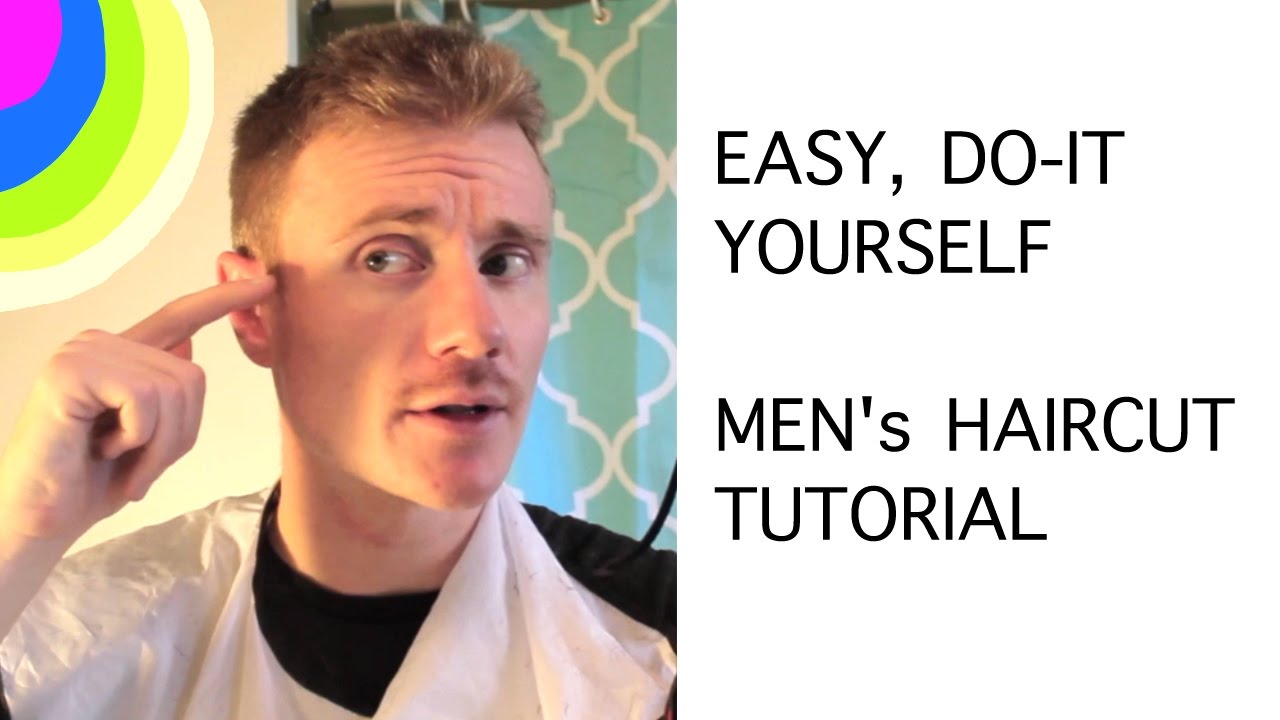
Before diving into the world of DIY haircuts, let’s address the essentials: your tools and your skill level. A successful at-home haircut hinges on having the right equipment and a realistic understanding of your capabilities.
A. Essential Tools:
- Hair Clippers: These are the workhorses of any DIY haircut. Invest in a good quality set with multiple guard attachments (various lengths) for versatility. Cordless clippers offer freedom of movement, while corded clippers usually provide more consistent power. Look for clippers with adjustable taper levers for smooth transitions between lengths.
- Hair Trimmer: A detailer or trimmer is crucial for cleaning up edges, creating sharp lines, and achieving precise details like sideburns and necklines. Its smaller size and precision make it indispensable.
- Scissors: A sharp pair of hair-cutting shears is necessary for trimming longer hair, creating layers (if you’re comfortable with that), and blending transitions between clipper lengths.
- Clipper Comb Attachments/Guards: These plastic combs attach to your clippers, determining the length of your hair. Having a range of sizes (from very short to slightly longer) allows you to create different styles.
- Hair Cutting Cape: This protects your clothes from stray hairs and makes the whole process cleaner.
- Mirror: You’ll need at least one large mirror, and ideally a second smaller hand mirror for viewing the back of your head.
- Spray Bottle: A spray bottle filled with water can help keep your hair damp and manageable, especially when using clippers.
- Comb: A wide-toothed comb is best for detangling and combing hair before cutting.
- Cleaning Brush: Essential for cleaning hair from your clippers and trimmer after each use.

B. Assessing Your Skill Level:
Be honest with yourself about your abilities. Starting with simple cuts like a buzz cut or a short fade is recommended for beginners. More complex styles like layered cuts or intricate fades require more practice and skill. Don’t attempt something overly ambitious your first time around.
II. Basic Haircut Techniques:
Let’s explore some fundamental techniques that apply to many men’s haircuts:
A. The Buzz Cut: The simplest DIY haircut, the buzz cut involves using clippers with a single guard attachment to create a uniform length all over the head.
- Preparation: Wash and towel-dry your hair. This makes it easier to cut evenly.
- Clipping: Starting at the back of your head, work your way upwards in small, even sections. Overlap your strokes slightly to avoid leaving any patches.
- Neckline: Use the trimmer to clean up the neckline and create a sharp, defined edge.
- Sideburns: Trim your sideburns to your desired length and shape using the trimmer.
B. The Fade: A fade involves gradually transitioning from a short length on the sides and back to a longer length on top. This is a more challenging cut, but achievable with practice.
- Guard Selection: Choose your shortest guard length for the lower part of the sides and back.
- Clipper Work: Begin at the bottom, working upwards in small increments, gradually changing to longer guard lengths as you move towards the top. The taper lever on your clippers is crucial for creating a smooth transition.
- Blending: Use the trimmer to blend the transitions between different guard lengths, ensuring a smooth, seamless look.
- Top Section: Leave the top section longer, trimming it with scissors or clippers with a longer guard, depending on your desired style.
C. Trimming Longer Hair:
If you have longer hair and are simply looking for a trim, scissors are your primary tool.
- Sectioning: Divide your hair into sections using a comb. This ensures even trimming.
- Point Cutting: Point cutting (holding the scissors vertically and snipping small pieces) helps create texture and avoid blunt lines.
- Thinning Shears: If you want to remove bulk from your hair without shortening it significantly, thinning shears are a useful addition.
III. Specific Haircut Examples:
A. The High and Tight: A very short fade that leaves very little hair on the sides and back, with a slightly longer top. This requires precision and a steady hand.
B. The Low Fade: A more gradual fade, where the transition from short to long is less dramatic. Easier to achieve than a high and tight.
C. The Mid Fade: A compromise between the high and low fade.
D. The Undercut: The sides and back are shaved very short, while the top is left significantly longer. This style requires skillful blending.
IV. Post-Haircut Care and Maintenance:
- Clean Up: Thoroughly clean your clippers and trimmer after each use.
- Maintenance: Depending on your hair type and style, you may need to touch up your haircut every few weeks. Regular trimming will help maintain the shape and prevent it from looking unkempt.
- Product Use: Consider using styling products like pomade, wax, or gel to achieve your desired look and hold.
V. Troubleshooting and Tips for Success:
- Practice Makes Perfect: Don’t expect to be a pro on your first attempt. Start with simple cuts and gradually work your way up to more complex styles.
- Watch Tutorials: YouTube is a treasure trove of DIY haircut tutorials. Watch several videos before attempting a cut, focusing on techniques and tips.
- Take Your Time: Rushing can lead to mistakes. Work slowly and methodically, paying attention to detail.
- Start Small: If you’re unsure about a certain section, start by removing less hair than you think you need. You can always remove more, but you can’t put it back.
- Don’t Be Afraid to Ask for Help: If you’re struggling, ask a friend or family member for assistance. A second pair of eyes can be incredibly helpful.
- Embrace Imperfections: Your first few DIY haircuts might not be perfect, but that’s okay. With practice, you’ll improve your skills and achieve the desired results.
VI. Conclusion:
Mastering the art of the DIY haircut is a rewarding experience. It empowers you to control your look, save money, and enjoy the convenience of getting a perfect cut whenever you need it. By following this guide, acquiring the right tools, and practicing diligently, you can confidently transform your hair from unruly to undeniably stylish, all from the comfort of your own home. Remember, patience and practice are key to success. So grab your clippers, and happy cutting!


