The Art of the Transition: Haircuts for Men Growing Out Long Hair
Growing your hair long is a journey, a commitment that requires patience, perseverance, and a strategic approach to haircuts. For men, this journey often presents unique challenges, as the awkward in-between stages can be less than flattering. Navigating this phase successfully requires understanding your hair type, face shape, and the various haircut options available to maintain a stylish and manageable look throughout the growing-out process. This article serves as your comprehensive guide to navigating the transition to longer hair, offering advice on choosing the right cuts and styling techniques to keep you looking sharp at every stage.
Understanding the Stages of Long Hair Growth
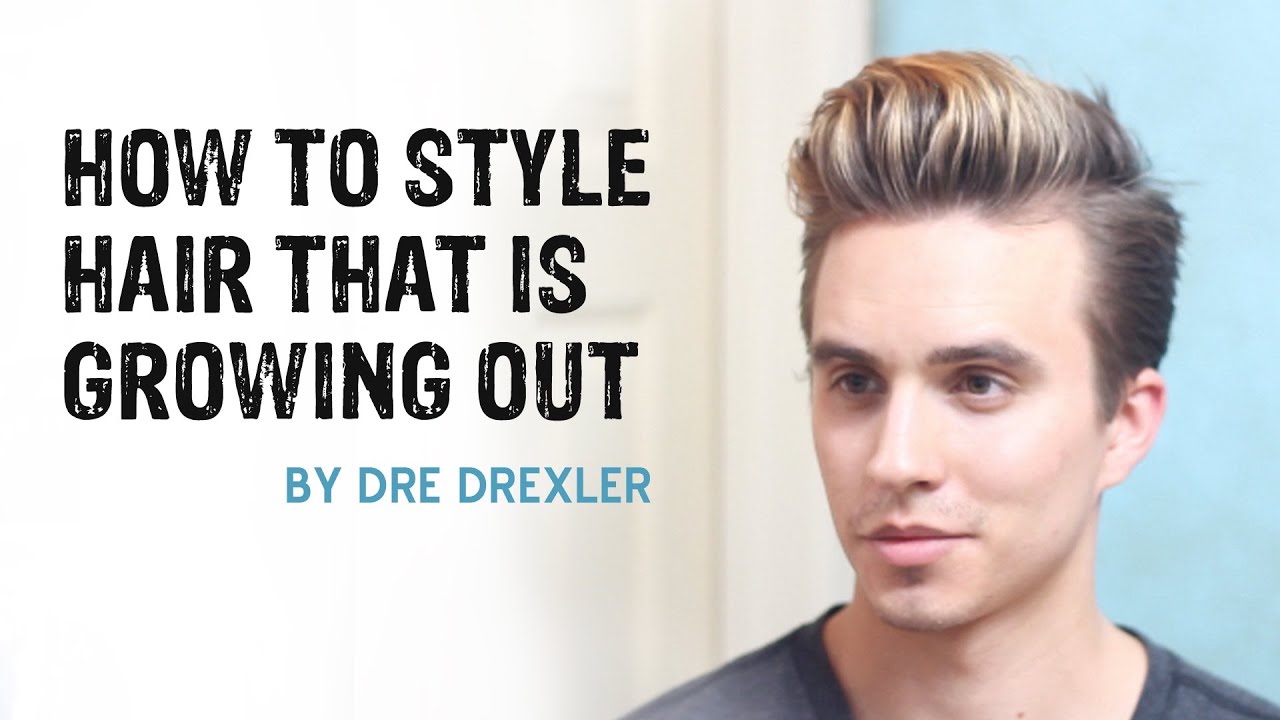
The journey to long hair for men typically unfolds in distinct stages, each presenting its own set of styling challenges:
-
The Awkward Stage (Months 1-3): This is the most challenging phase. Hair is too long for a short cut but too short for most longer styles. The goal here is to find a cut that manages the uneven growth and minimizes the "mullet" effect.
-
The Shaping Stage (Months 3-6): Hair is getting longer, allowing for more styling options. The focus shifts to shaping the hair and creating a foundation for longer styles.
-
The Length Stage (Months 6-12+): Hair reaches a significant length, offering a wider variety of styles. Maintenance becomes crucial to prevent split ends and maintain healthy-looking hair.
Haircut Options for Each Stage

Stage 1: The Awkward Stage
This stage requires careful planning. The wrong cut can leave you feeling frustrated and tempted to cut it all off. Here are some options:
-
The Graduated Bob: This cut features a slightly longer length on top, gradually shortening towards the nape of the neck. It’s versatile and can be styled in various ways, minimizing the awkwardness of uneven growth.
-
The Long Undercut: This cut keeps the sides and back short, allowing the hair on top to grow longer without looking messy. It’s a stylish option that keeps the overall look balanced.
-
The Textured Crop: A textured crop keeps the hair relatively short overall but adds texture and volume, making the growth process less noticeable.
-
The Mid-Fade with Long Top: A fade on the sides and back creates a clean, modern look, while the longer top allows for styling options as it grows.
Stage 2: The Shaping Stage
With more length, you have more options for shaping your hair. This stage is about creating a foundation for your desired long hairstyle.
-
The Layered Cut: Adding layers removes weight and adds movement, preventing the hair from looking flat and lifeless. Layers are particularly beneficial for thicker hair.
-
The Tapered Cut: This cut gradually tapers the hair from the top to the sides and back, creating a natural-looking flow. It’s a great choice for those who prefer a less structured look.
-
The Long Fringe: Growing out a fringe (bangs) can be a stylish addition to your look. Consider a side-swept fringe or a curtain fringe for a softer appearance.
-
The Curly Undercut: For men with curly hair, an undercut keeps the sides and back short and manageable while allowing the curls on top to grow freely.
Stage 3: The Length Stage
Once you reach your desired length, maintenance becomes crucial. Regular trims are essential to prevent split ends and keep your hair looking healthy.
-
Regular Trims: Regular trims (every 6-8 weeks) are crucial to remove split ends and maintain the shape of your hairstyle.
-
Long Layers: For very long hair, long layers can help to add movement and prevent the hair from looking too heavy or bulky.
-
The Man Bun/Ponytail: These are classic long hairstyles for men, offering a practical and stylish way to manage long hair.
-
Braids: Braids offer a unique and stylish way to style long hair, especially for those with thicker hair.
Choosing the Right Haircut Based on Hair Type and Face Shape
Your hair type and face shape significantly influence the best haircut for you.
Hair Type:
-
Straight Hair: Straight hair offers a lot of versatility. Most haircuts will work well, but layers can add volume and prevent a flat look.
-
Wavy Hair: Wavy hair requires a cut that complements the natural texture. Layers and texturizing can enhance the waves, while avoiding overly heavy styles.
-
Curly Hair: Curly hair needs a cut that minimizes bulk and enhances the curls’ natural shape. Layers and a proper shaping technique are crucial.
-
Thick Hair: Thick hair benefits from layers to remove weight and prevent a heavy, overwhelming look.
-
Thin Hair: Thin hair needs a cut that adds volume and minimizes the appearance of thinness. Shorter layers and texturizing can create the illusion of thicker hair.
Face Shape:
-
Oval Face: Most haircuts work well with oval faces.
-
Round Face: Haircuts with height on top and some layering can create the illusion of a longer face. Avoid overly short styles that emphasize roundness.
-
Square Face: Soften angular features with longer layers and side-swept styles. Avoid overly structured styles.
-
Heart Face: Balance the wider forehead with longer layers around the face and shorter layers at the back.
-
Long Face: Add width with side bangs or a fuller style at the sides. Avoid styles that make the face appear longer.
Styling Your Growing Hair
Styling your hair during the growing-out process is crucial for maintaining a polished look. Consider these tips:
-
Use the Right Products: Hair products like pomades, waxes, gels, and mousses can help you style your hair and control frizz. Choose products suited to your hair type.
-
Learn Basic Styling Techniques: Mastering basic styling techniques like blow-drying, using a round brush, and applying products correctly will significantly improve your look.
-
Embrace the Messy Look: Sometimes, embracing a slightly messy or textured look can be a stylish and effortless way to manage growing-out hair.
-
Protect Your Hair: Use heat protectant sprays when using heat styling tools to prevent damage.
-
Maintain Hair Health: Eat a healthy diet, drink plenty of water, and use gentle hair care products to keep your hair healthy and strong during the growth process.
Patience is Key
Growing your hair long is a marathon, not a sprint. Embrace the journey, experiment with different styles, and don’t be afraid to ask your barber for advice. With patience, the right haircut choices, and proper styling, you’ll successfully navigate the transition and achieve the long, flowing locks you desire. Remember, the most important aspect is to find a style that makes you feel confident and comfortable throughout the process. This journey is about self-expression, so enjoy the ride!


