The Ultimate Guide to Men’s Haircuts: Finding the Perfect Style for You
Choosing the right haircut can be a daunting task for men. With countless styles, trends, and variations, navigating the world of men’s grooming can feel overwhelming. This comprehensive guide will break down everything you need to know to find the perfect haircut to complement your features, lifestyle, and personal style. We’ll cover various popular styles, factors to consider, maintenance tips, and how to communicate effectively with your barber.
Understanding Your Hair Type:
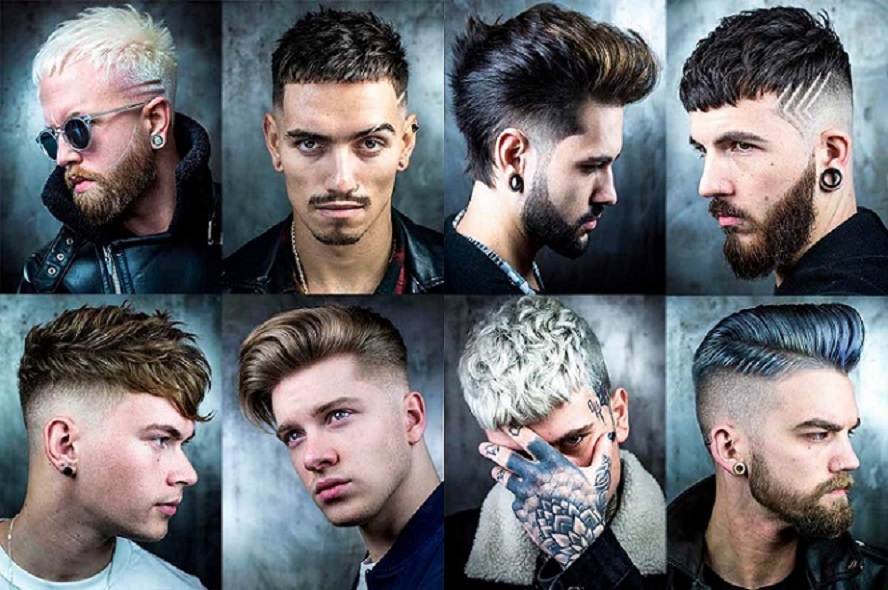
Before diving into specific styles, understanding your hair type is crucial. This will significantly influence the haircuts that will work best for you. Consider these factors:
-
Hair Texture: Is your hair fine, medium, or thick? Fine hair often requires shorter styles to avoid looking limp, while thick hair can handle longer, more textured cuts. Medium hair offers the most versatility.
-
Hair Density: This refers to the number of hair strands per square inch. High density means thicker hair, while low density means thinner hair. Density impacts volume and the ability to hold certain styles.
-
Hair Length: Your current hair length will dictate how much can be achieved in a single session. Be realistic about what’s achievable and be prepared to discuss a gradual transition if you’re making a significant change.
-
Hair Curl Pattern: Straight, wavy, curly, or coily hair each require different approaches to styling and cutting. Curly hair often benefits from layered cuts to reduce bulk and enhance definition, while straight hair can be styled in a multitude of ways.

-
Hairline: Your hairline significantly impacts the suitability of certain styles. A receding hairline may require a style that minimizes the appearance of recession, while a strong hairline offers more stylistic freedom.
Popular Men’s Haircuts:
Let’s explore some of the most popular men’s haircuts, categorized for easier navigation:
Short Haircuts:
-
Crew Cut: A classic, timeless style characterized by short, even sides and slightly longer hair on top. It’s low-maintenance and versatile, suitable for most hair types.
-
Buzz Cut: The shortest of the short styles, a buzz cut involves shaving the hair very close to the scalp. It’s extremely low-maintenance and ideal for hot climates or active lifestyles.
-
Ivy League: Similar to the crew cut, but with a slightly longer top that can be styled with a side part. It offers a slightly more polished look than the crew cut.
-
Military Cut: A very short, uniform cut often seen in military settings. It’s practical, neat, and requires minimal styling.
Medium Haircuts:
-
Undercut: This style features short sides and back, contrasted with longer hair on top. The top can be styled in various ways, from slicked back to textured and messy. It’s a very versatile and popular choice.
-
Quiff: A voluminous style with hair swept upwards from the forehead. It requires some styling product to achieve the desired lift and volume. Works best with medium to thick hair.
-
Pompadour: A more dramatic version of the quiff, characterized by a high volume of hair swept back from the forehead. It’s a bold statement style that requires more styling effort.
-
Side Part: A classic and sophisticated style that involves parting the hair to one side. It can be adapted to various hair lengths and textures.
Long Haircuts:
-
Long Layered Hair: This style involves layering the hair to create texture and movement. It’s ideal for those with thicker hair and requires regular trimming to maintain its shape.
-
Man Bun: A trendy style for men with long hair, where the hair is tied up in a bun at the back of the head. It’s a practical and stylish option for long hair.
-
Top Knot: Similar to the man bun, but the hair is tied up higher on the head, often leaving some hair loose around the face.
-
Surfer Hair: A relaxed, beachy style characterized by long, wavy or slightly curly hair with a natural, effortless look.
Factors to Consider When Choosing a Haircut:
Beyond hair type, several other factors should influence your choice:
-
Face Shape: Certain haircuts complement specific face shapes better than others. For example, a round face may benefit from a style that adds height, while a square face can handle more angular styles.
-
Lifestyle: Consider your daily activities and how much time you’re willing to dedicate to styling your hair. Low-maintenance styles are ideal for busy individuals, while more elaborate styles require more time and effort.
-
Personal Style: Your haircut should reflect your overall personal style and personality. Choose a style that makes you feel confident and comfortable.
-
Professional Considerations: If your job requires a certain level of professionalism, consider a style that’s appropriate for your workplace.
Communicating with Your Barber:
Clear communication is key to getting the desired haircut. Bring photos of styles you like, and be specific about your hair type, desired length, and styling preferences. Don’t hesitate to ask questions and clarify any uncertainties.
Hair Care and Maintenance:
Once you’ve chosen your haircut, proper care and maintenance are crucial to keeping it looking its best. This includes regular trims, using appropriate hair products, and following a consistent hair care routine.
Choosing the Right Hair Products:
The right hair products can make a significant difference in achieving and maintaining your desired style. Consider these options:
-
Pomade: Provides shine and hold, ideal for slicked-back styles.
-
Wax: Offers texture and separation, good for messy or textured styles.
-
Gel: Provides strong hold and a wet look.
-
Clay: Creates a matte finish with medium hold.
-
Hairspray: Provides extra hold and helps to set your style.
Conclusion:
Choosing the right haircut is a personal journey. By understanding your hair type, considering various factors, and communicating effectively with your barber, you can find the perfect style to enhance your appearance and boost your confidence. Remember to experiment, have fun, and embrace the process of discovering what works best for you. This guide serves as a starting point; your individual journey to the perfect haircut is just beginning. Don’t be afraid to try new things and find what truly makes you feel your best.


