Receding Hairline? No Problem! A Comprehensive Guide to Men’s Haircuts
A receding hairline is a common experience for men, often starting in their 20s and progressing throughout their lives. While it’s a natural part of aging, it can significantly impact self-esteem and confidence. Fortunately, the right haircut can make a world of difference, effectively camouflaging hair loss and accentuating your best features. This comprehensive guide explores various hairstyles designed to minimize the appearance of a receding hairline, offering options for different hair types and preferences.
Understanding the Stages of Hair Loss:
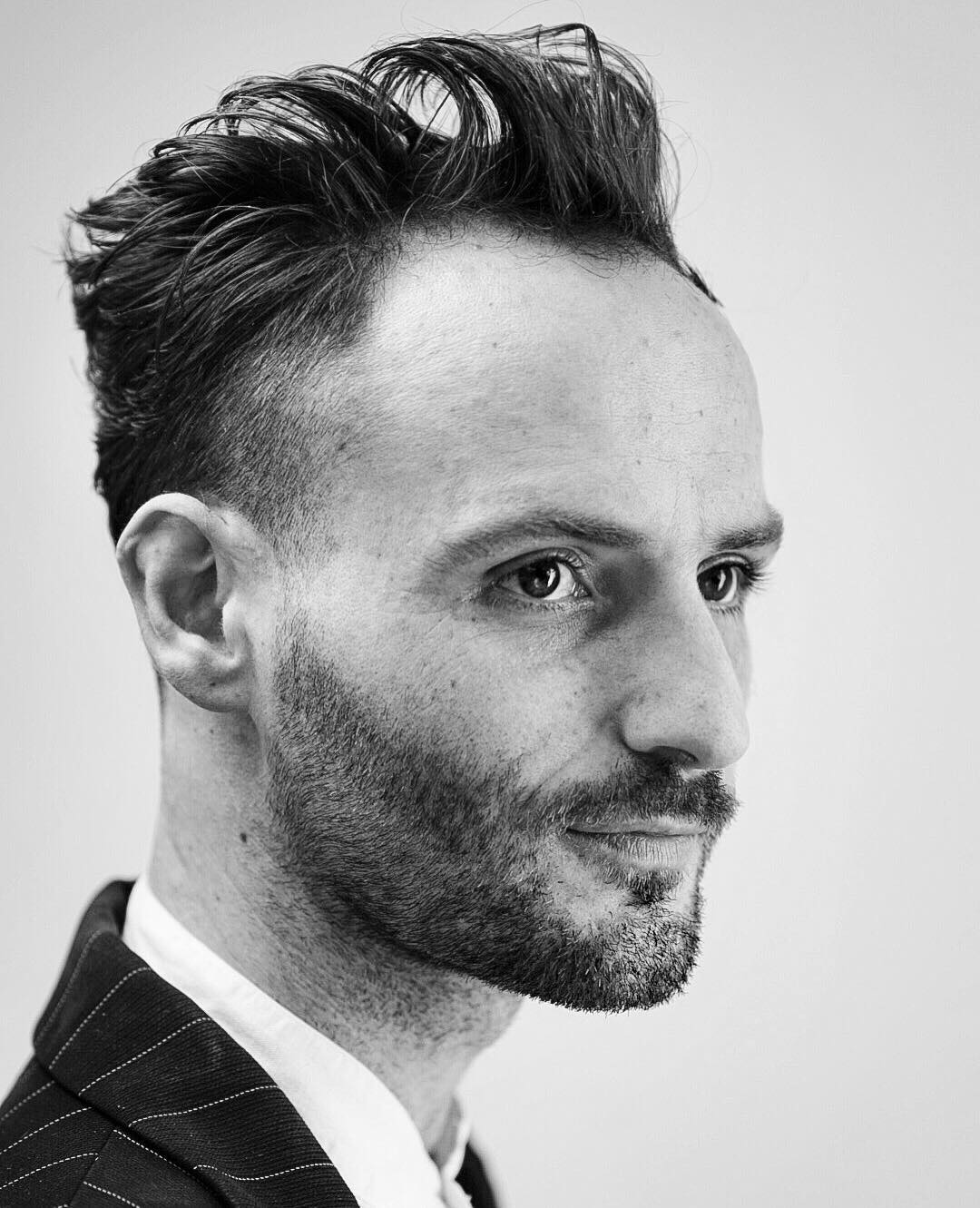
Before diving into hairstyles, understanding the stages of male pattern baldness (androgenetic alopecia) is crucial. This helps in selecting a style that complements your current hair density and anticipates future changes. The Norwood scale is a common system used to classify hair loss:
- Norwood I: No hair loss. A full head of hair.
- Norwood II: Slight recession at the temples. This is often the earliest noticeable stage.
- Norwood III: More pronounced recession at the temples, forming a "V" or "M" shape. The hairline may also recede slightly at the crown.
- Norwood IV: Significant recession at the temples and crown. Hair thinning is noticeable.
- Norwood V: Further recession, with the hairline significantly receded at the temples and crown. Significant thinning is present.
- Norwood VI: Extensive hair loss on the top of the head, leaving a horseshoe-shaped pattern of hair around the sides and back.
- Norwood VII: Almost complete hair loss on the top of the head.
Knowing your Norwood stage will help you and your barber choose a style that works best for your specific situation. Don’t hesitate to consult a dermatologist or trichologist if you’re concerned about hair loss. They can offer advice on treatments and management strategies.
Hairstyle Strategies for a Receding Hairline:
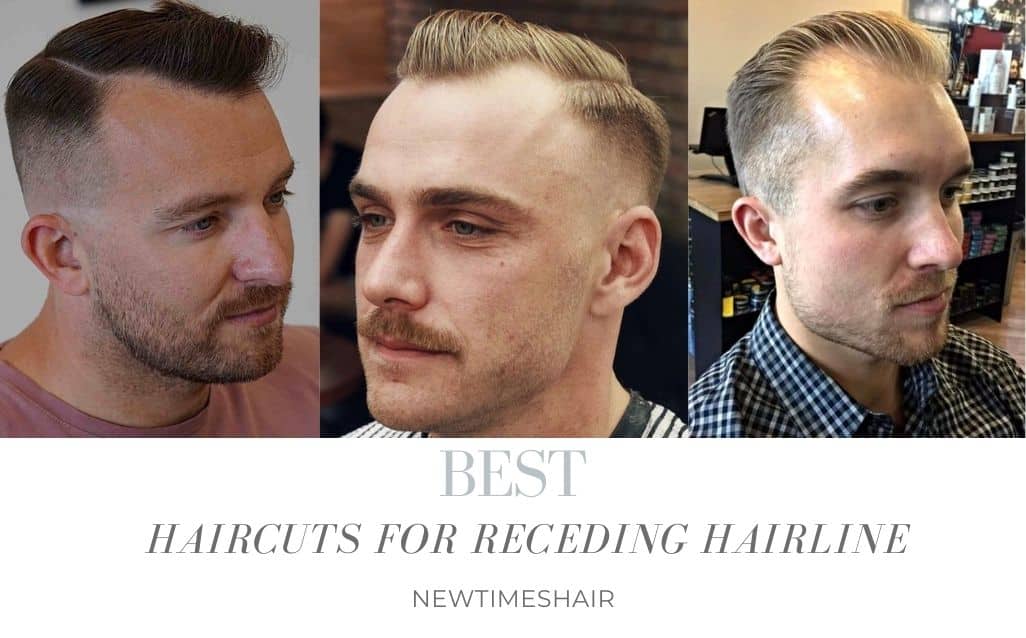
The key to choosing a flattering haircut with a receding hairline is to create the illusion of fuller hair and balance the proportions of your face. Here are some effective strategies:
-
Keep it Short on Top: Longer hair on top tends to highlight thinning areas. Shorter styles are generally more forgiving and easier to manage. This doesn’t mean you need a buzz cut; short, textured styles can still offer volume and style.
-
Embrace Texture and Volume: Adding texture and volume can create the illusion of thicker hair. Ask your barber for layering techniques that lift the hair at the roots, adding body and concealing thinning areas. Styling products like pomades, mousses, and texturizing sprays can enhance this effect.
-
Strategic Parting: A carefully chosen parting can subtly conceal a receding hairline. A side part, slightly off-center, can often draw attention away from thinning areas at the temples. Avoid center parts, which tend to emphasize hair loss.
-
Utilize the Power of Disguise: Certain hairstyles are particularly adept at camouflaging a receding hairline. These often involve shorter sides and slightly longer hair on top, creating a contrast that draws the eye upwards.
Specific Hairstyle Recommendations:
Here are some popular and effective haircuts for men with receding hairlines:
-
The Classic Short Back and Sides: This timeless style features short hair on the sides and back, with slightly longer hair on top. The longer top hair can be styled upwards or to the side, creating volume and minimizing the appearance of hair loss. This style works well across various Norwood stages, particularly II-IV.
-
The Crew Cut: A classic and versatile choice, the crew cut features short, even hair all over the head. It’s low-maintenance, easy to style, and effectively conceals thinning areas. This is an excellent option for those experiencing early stages of hair loss (Norwood II-III).
-
The Buzz Cut: A bold and minimalist choice, the buzz cut involves shaving the hair very short all over. It’s a completely honest approach to hair loss, eliminating the need to conceal anything. It’s a good option for those comfortable with a more shaved look, particularly in later stages of hair loss (Norwood V-VII).
-
The Undercut: This style features short or shaved sides and longer hair on top. The contrast between the lengths creates a visually striking look that draws attention away from the hairline. The longer top hair can be styled in various ways, offering versatility. It works well for Norwood II-IV.
-
The Quiff: A stylish and versatile option, the quiff involves styling the hair upwards and backwards, creating volume and height. This is a great way to add fullness and disguise thinning areas. It’s best suited for those with some hair on top (Norwood II-IV).
-
The Side Part with Fade: A side part, combined with a fade on the sides, is a sophisticated and stylish choice. The fade adds a modern touch, while the side part helps to subtly conceal a receding hairline. This style works well for various hair types and textures.
-
The Textured Crop: This style features short, textured hair that is styled to create volume and movement. The texture helps to mask thinning areas, while the short length keeps the hair looking neat and tidy. It’s a versatile option for those with various hair types and textures.
Choosing the Right Barber:
Finding a skilled barber is crucial. A good barber will understand the nuances of hair loss and can advise you on the best style to suit your face shape, hair type, and the stage of your hair loss. Look for a barber with experience in men’s styling and a strong understanding of hair thinning. Don’t hesitate to show them pictures of styles you like and discuss your concerns about your receding hairline.
Beyond the Haircut: Additional Considerations:
While the right haircut can significantly improve your appearance, remember that other factors contribute to overall confidence. Consider these points:
-
Hair Products: Using the right hair products can enhance volume and texture, further camouflaging hair loss. Experiment with different pomades, mousses, and sprays to find what works best for your hair type.
-
Healthy Lifestyle: A healthy lifestyle can contribute to hair health. Ensure you’re eating a balanced diet, getting enough sleep, and managing stress levels.
-
Hair Loss Treatments: If you’re concerned about hair loss, consult a dermatologist or trichologist. They can advise on various treatment options, including medication, hair transplant surgery, and other therapies.
-
Acceptance and Confidence: Ultimately, embracing your unique appearance and developing self-confidence is key. A positive attitude can make a significant difference in how you perceive yourself and how others perceive you.
A receding hairline doesn’t have to define you. With the right haircut, styling techniques, and a positive attitude, you can look and feel your best, regardless of your hair density. Remember to consult with a skilled barber and, if needed, a healthcare professional to develop a plan that addresses your specific needs and preferences. The goal is to find a style that makes you feel confident and comfortable in your own skin.


