The Men’s Haircut Fade: A Comprehensive Guide
The fade haircut has transcended its humble beginnings as a simple barbering technique to become a cornerstone of modern men’s grooming. Its versatility allows it to be adapted to countless styles, from the clean-cut and professional to the edgy and avant-garde. This article delves deep into the world of men’s fade haircuts, exploring its variations, styling options, and how to choose the perfect fade for your face shape, hair type, and personal style.
Understanding the Fade:
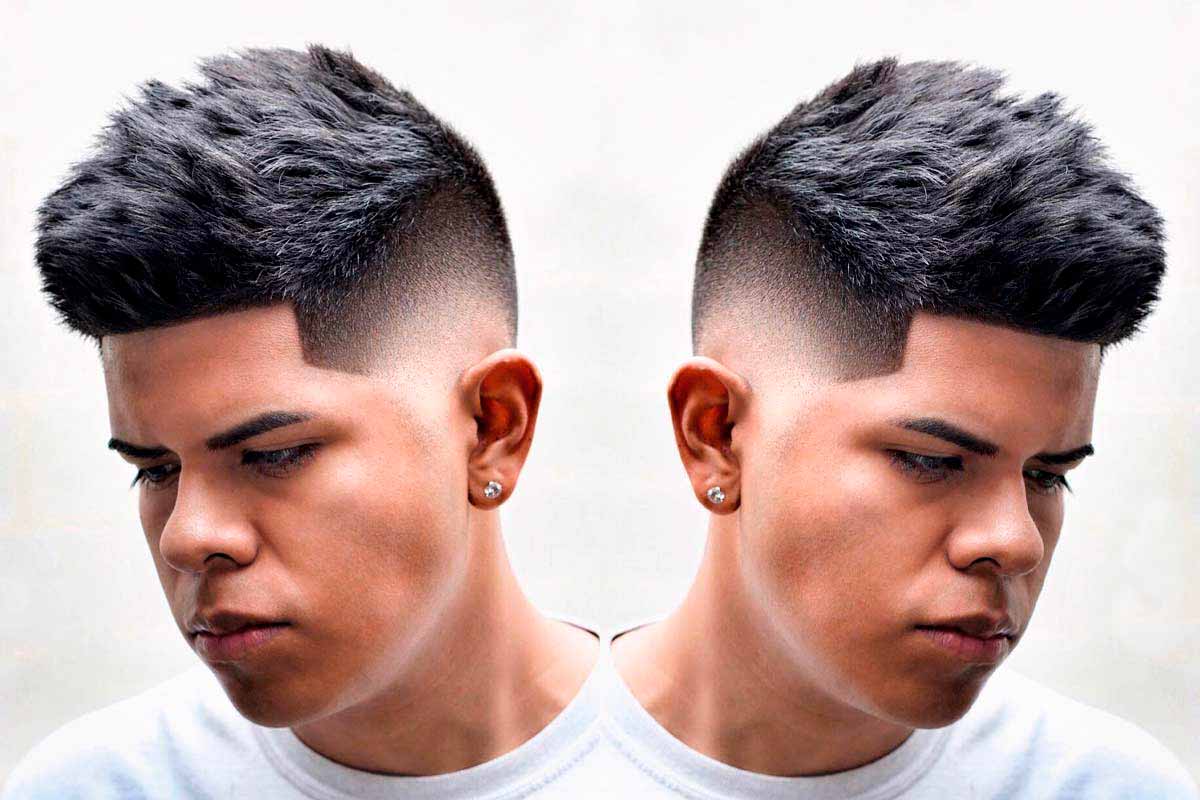
At its core, a fade is a gradual tapering of hair length from one point to another. This transition is typically from a longer length on top to a shorter, or even completely shaved, length at the sides and back. The smoothness and speed of this transition define the type of fade. The fade itself isn’t a hairstyle; it’s a foundational element that can be combined with countless other styles, such as pompadours, undercuts, quiffs, and textured crops.
Types of Fades:
The diversity of fades is astonishing, offering a spectrum of options to suit every preference. Here are some of the most popular types:
-
Low Fade: This classic fade starts the tapering process relatively low on the head, usually around the temples and just above the ears. It offers a subtle, clean look that’s both professional and stylish. It’s a versatile choice that works well with various hairstyles on top.
-
Mid Fade: The mid fade begins the tapering process midway up the sides of the head, creating a more pronounced contrast between the longer hair on top and the shorter hair on the sides. This style offers a bolder statement than the low fade but still maintains a level of sophistication.
-
High Fade: This fade starts the tapering process high on the head, often reaching close to the crown. It creates a dramatic contrast and is a popular choice for those who want a more edgy and modern look. High fades often incorporate a sharp line where the fade meets the longer hair on top.
-
High and Tight Fade: This is an extreme version of the high fade, where the sides and back are shaved very close to the scalp, creating a stark contrast with the longer hair on top. It’s a bold and confident style that’s often seen in military settings but is also gaining popularity in mainstream fashion.
-
Taper Fade: Similar to a low fade, but the transition is even more gradual and subtle. It blends seamlessly into the longer hair on top, creating a soft, refined look.
-
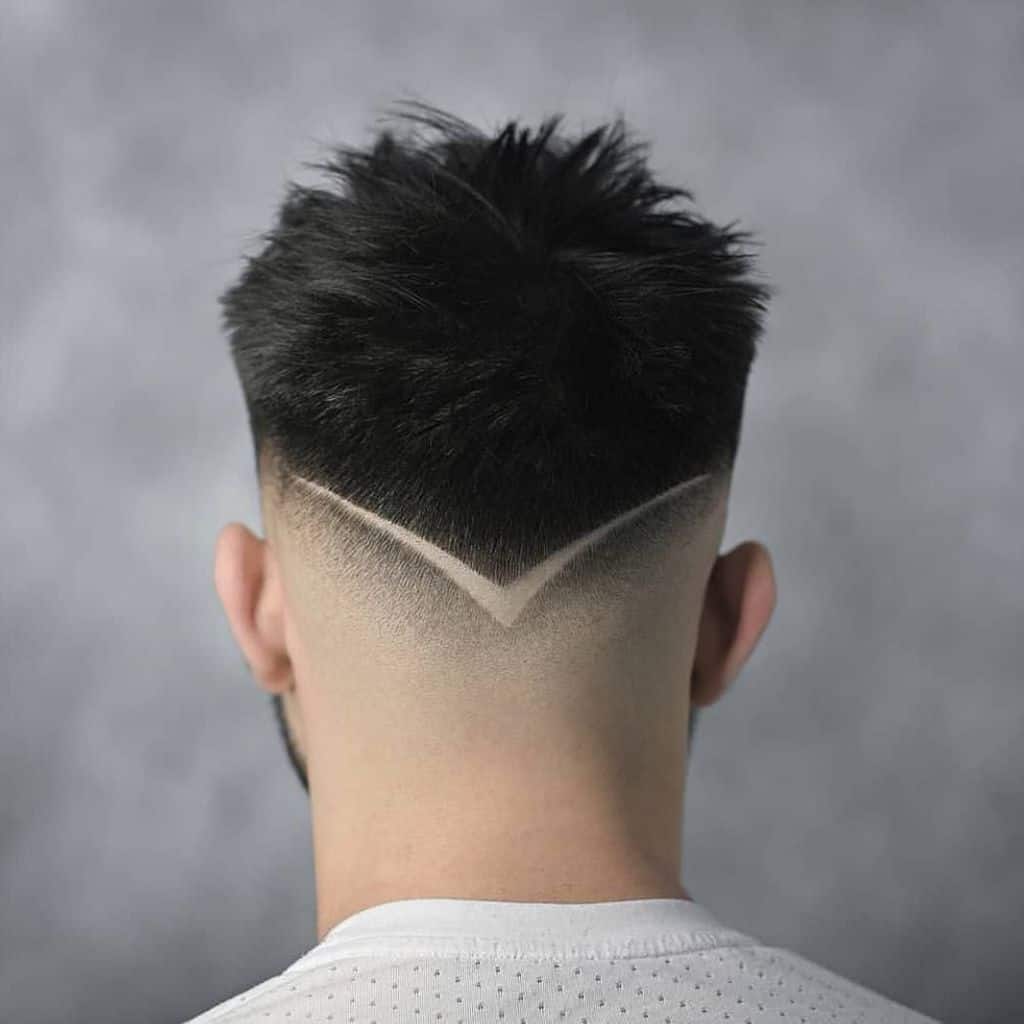
Skin Fade: This fade takes the short hair to the point of being completely shaved, resulting in a clean, smooth look against the skin. It’s often combined with other fades to create a more dramatic effect.
-
Temp Fade: This fade focuses solely on the temples, leaving the back of the head with longer hair. It’s a subtle yet stylish option that can add a touch of sophistication without being overly dramatic.
-
Drop Fade: This fade features a curved line that drops down from the temples to the bottom of the sideburns, creating a unique and visually interesting shape.
-
Bald Fade: This involves completely shaving the sides and back of the head, leaving only the hair on top. It is a bold choice that requires confidence and often complements styles like the mohawk or faux hawk.
Choosing the Right Fade for Your Face Shape:
The ideal fade will complement your face shape and enhance your features.
-
Oval Face: Lucky you! Oval faces can pull off almost any fade. Experiment with different heights and styles to find what best suits your personality.
-
Round Face: A high fade can help elongate a round face, creating a more defined look. Avoid fades that are too low, as they can accentuate the roundness.
-
Square Face: A low or mid fade can soften the strong angles of a square face. Avoid high fades, which can make the face appear even more angular.
-
Long Face: A low fade with fuller hair on top can balance the length of a long face. Avoid high fades, which can make the face appear even longer.
-
Heart Face: A low fade with side swept hair can help balance the wider forehead of a heart-shaped face. Avoid high fades that draw attention to the forehead.
Hair Type and Texture Considerations:
Your hair type significantly impacts the suitability of certain fades.
-
Thick Hair: Thick hair holds a fade well, allowing for sharp lines and clean transitions. High fades and skin fades are particularly well-suited.
-
Thin Hair: A low or mid fade can help create the illusion of thicker hair. Avoid high fades, which can accentuate thinning areas.
-
Curly Hair: Curly hair requires a skilled barber to achieve a clean fade. The curls can make the tapering process more challenging, so finding a barber experienced with curly hair is crucial. Low to mid fades often work best.
-
Straight Hair: Straight hair is relatively easy to fade and offers clean lines and crisp transitions. Any fade style can generally be achieved with straight hair.
Styling Your Fade:
Once you’ve chosen your fade, the styling possibilities are endless. Here are some popular options:
-
Pompadour: A classic and timeless style, the pompadour features voluminous hair swept back from the forehead. It pairs beautifully with a high or mid fade.
-
Undercut: The undercut involves keeping the hair on top longer and leaving the sides and back short. It’s a versatile style that can be styled in various ways.
-
Quiff: The quiff is a similar style to the pompadour, but with a less dramatic volume and a more textured finish. It works well with low to mid fades.
-
Textured Crop: This style features short, textured hair on top, often styled with a matte product for a casual and effortless look. It’s a great option for those who prefer a less formal style.
-
Comb Over: A classic and sophisticated style, the comb over involves combing the hair over to one side. It can be paired with a low or mid fade for a refined look.
Maintaining Your Fade:
Maintaining a fade requires regular trips to the barber. How often you need a touch-up depends on the type of fade and your hair growth rate. Generally, you’ll need to visit your barber every 2-4 weeks to keep your fade looking sharp.
Finding the Right Barber:
Finding a skilled barber is crucial for achieving the perfect fade. Look for barbers with experience in men’s haircuts and a strong portfolio showcasing their fade work. Read online reviews and ask for recommendations from friends.
Conclusion:
The men’s fade haircut is a versatile and stylish choice that offers a wide range of options to suit every individual’s preferences. By understanding the different types of fades, considering your face shape and hair type, and choosing the right styling techniques, you can achieve a look that enhances your features and reflects your personal style. Remember to find a skilled barber who can execute the fade perfectly and maintain it regularly to keep your look sharp and sophisticated. The fade is more than just a haircut; it’s a statement. Choose wisely, and rock your fade with confidence.


