Giving Yourself a Gorgeous New Look: A Comprehensive Guide to Women’s At-Home Haircuts
The allure of a fresh haircut is undeniable. That feeling of lightness, the boost in confidence, the simple pleasure of a perfectly styled mane – it’s a powerful combination. But salon visits can be costly and time-consuming. Thankfully, with the right tools, techniques, and a healthy dose of patience, achieving a stunning haircut at home is entirely achievable for women. This comprehensive guide will walk you through everything you need to know, from choosing the right style to mastering the essential cutting techniques.
Part 1: Planning Your At-Home Haircut
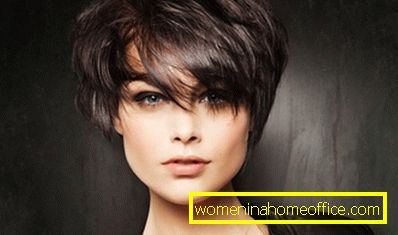
Before you even pick up a pair of scissors, careful planning is crucial. A rushed or ill-considered haircut can lead to disastrous results, so take your time and follow these steps:
1. Assess Your Hair Type and Texture:
Understanding your hair is the foundation of a successful at-home haircut. Is your hair fine, thick, coarse, straight, wavy, curly, or coily? This will determine the best cutting techniques and tools for you. Fine hair might require gentler techniques to avoid thinning, while thick hair may need more aggressive cutting to achieve even layers. Curly hair requires a completely different approach than straight hair, often necessitating dry cutting to maintain curl definition.
2. Choose the Right Haircut:
Selecting a style that complements your face shape and hair texture is paramount. Consider these factors:
- Face Shape: Different haircuts flatter different face shapes. Round faces often benefit from styles with height and volume on top, while oval faces can pull off almost any style. Square faces look great with softer, layered styles, and heart-shaped faces can balance their features with styles that add volume to the chin and jawline.
- Hair Texture: Straight hair can handle more precise cuts and sharp lines, while curly hair often looks best with layered styles that allow for natural movement and volume. Wavy hair can be styled in a variety of ways, from sleek and straight to voluminous and textured.
- Lifestyle: Consider your lifestyle and how much time you’re willing to dedicate to styling your hair. A low-maintenance style might be ideal if you’re short on time, while more intricate styles might require more effort.
- Skill Level: Be realistic about your skills. Start with simpler cuts before attempting more complex techniques. A simple trim or layered bob is a good starting point for beginners.
3. Gather Your Tools:
Having the right tools is essential for a successful haircut. Here’s what you’ll need:
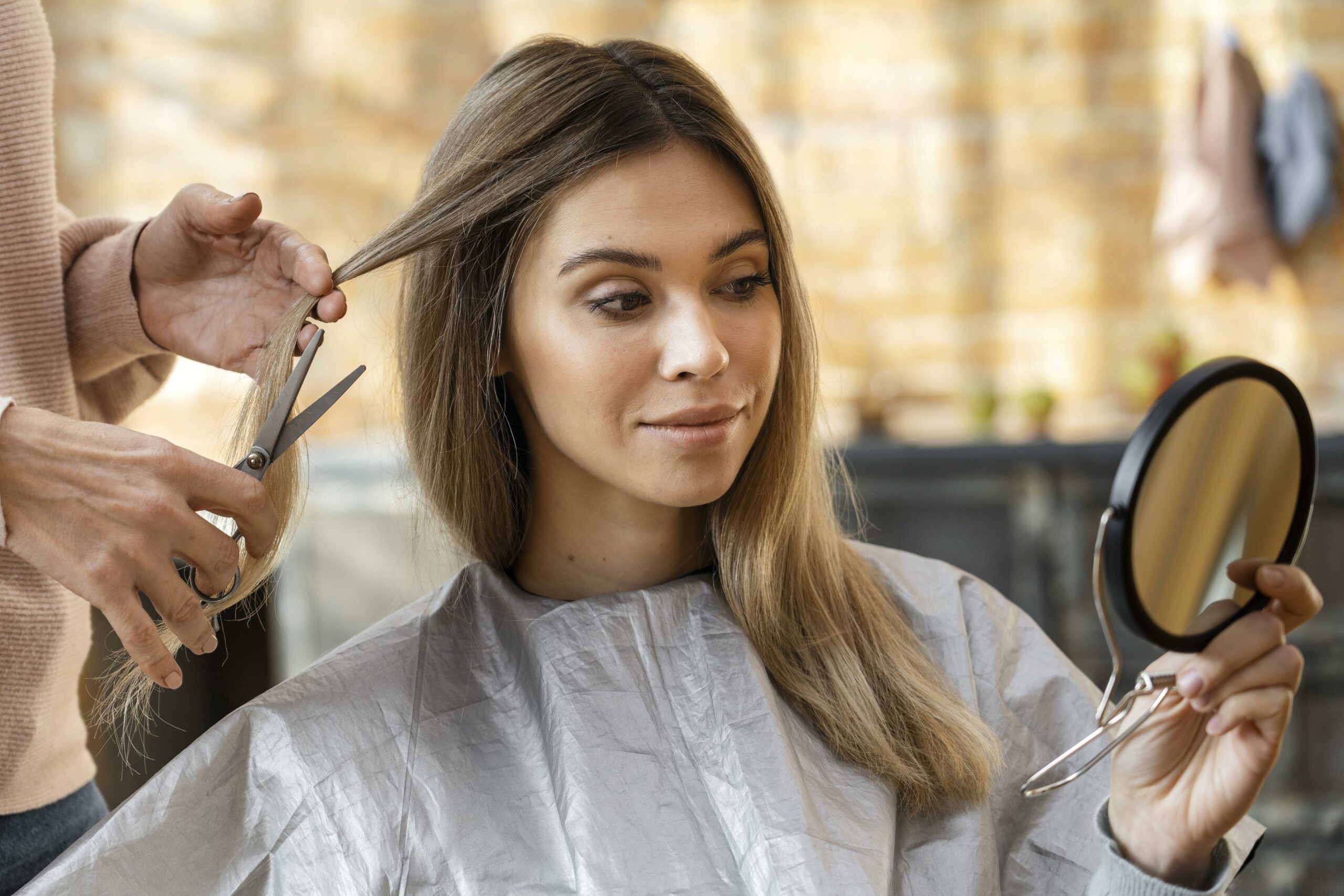
- Sharp Hair Cutting Scissors: These are crucial for clean, precise cuts. Household scissors will damage your hair and lead to uneven results. Invest in a good quality pair specifically designed for hair cutting.
- Hair Cutting Shears (optional): These are different from regular scissors and are used for texturizing and thinning hair.
- Hair Clips: To section your hair effectively.
- Wide-Tooth Comb: For detangling and sectioning.
- Spray Bottle: To keep your hair damp during the cutting process.
- Mirror: Ideally, a large mirror and a smaller hand-held mirror for viewing the back of your head.
- Optional: Hair Cutting Cape or Towel: To protect your clothes.
Part 2: Mastering the Basic Cutting Techniques
Once you’ve planned your haircut and gathered your tools, it’s time to learn the fundamental cutting techniques:
1. Sectioning Your Hair:
Proper sectioning is key to achieving an even haircut. Divide your hair into sections using clips, ensuring each section is roughly the same size and thickness. The number of sections will depend on the complexity of the haircut.
2. Point Cutting:
This technique involves holding the scissors vertically and snipping into the ends of your hair. It’s excellent for removing bulk and creating texture, especially in layered styles.
3. Slide Cutting:
This technique involves holding the scissors at an angle and sliding them along the hair shaft. It’s great for creating soft layers and blending different lengths.
4. Blunt Cutting:
This technique involves cutting straight across the hair, creating a clean, blunt edge. It’s best used for creating bobs and other styles with defined lines.
5. Layering:
Layering involves cutting different sections of your hair at varying lengths to create dimension and movement. This technique can be more challenging for beginners, so it’s best to start with simple layering techniques.
Part 3: Specific Haircut Tutorials for Beginners
Let’s explore some easy-to-follow tutorials for beginner-friendly haircuts:
1. Trimming Split Ends:
This is the simplest at-home haircut. Start by detangling your hair thoroughly. Take small sections of hair and gently trim the split ends, working your way around your head. Avoid cutting too much at once, as this can result in unevenness.
2. Layered Bob:
This classic style is relatively easy to achieve at home. Start by sectioning your hair into layers. Cut the bottom layer first, creating a blunt cut. Then, work your way up, cutting each layer slightly shorter than the one below. Blend the layers using point cutting or slide cutting to create a seamless transition.
3. Bang Trim:
Trimming your bangs at home can be tricky, but it’s achievable with practice. Start by detangling your bangs. Hold them between your index and middle fingers, and trim small sections at a time, working your way across. Remember to cut less than you think you need, as you can always trim more later.
Part 4: Tips for Success and Troubleshooting
- Work with damp hair: This makes it easier to control and cut evenly.
- Cut small sections at a time: This ensures precision and prevents mistakes.
- Use a sharp pair of scissors: Dull scissors will damage your hair and create uneven cuts.
- Take your time: Rushing will lead to mistakes. Be patient and methodical.
- Start with a simple style: Don’t try to achieve a complex haircut on your first attempt.
- Watch tutorials: There are countless video tutorials available online that can guide you through the process.
- If you make a mistake, don’t panic: You can often fix small mistakes by trimming more hair or using styling products to disguise imperfections. If it’s a significant mistake, consider consulting a professional stylist.
Part 5: When to Seek Professional Help
While at-home haircuts can be a rewarding experience, there are times when it’s best to leave it to the professionals:
- Complex Styles: Intricate cuts and styles requiring advanced techniques are best left to experienced stylists.
- Significant Changes: If you’re planning a drastic change in your hairstyle, such as a short pixie cut or a completely new color, it’s advisable to consult a professional.
- Unsatisfactory Results: If your at-home haircut doesn’t turn out as planned, don’t hesitate to seek professional help to fix it.
Conclusion:
Giving yourself a haircut at home can be a fun, cost-effective way to refresh your look. By following these guidelines, choosing the right style, and practicing proper techniques, you can achieve stunning results and enjoy the satisfaction of a beautifully styled mane, all from the comfort of your own home. Remember, practice makes perfect. Don’t be discouraged if your first attempt isn’t flawless. With patience and persistence, you’ll soon be mastering the art of the at-home haircut.


