DIY Haircuts for Women: A Comprehensive Guide to Trimming, Layering, and Bangs at Home
The allure of a fresh haircut is undeniable. However, salon visits can be costly and time-consuming. For women seeking a convenient and budget-friendly alternative, DIY haircuts offer a compelling solution. This comprehensive guide provides a step-by-step approach to various at-home haircut techniques, empowering you to achieve salon-worthy results from the comfort of your own bathroom. Remember, patience and precision are key to success. While this guide offers detailed instructions, it’s crucial to understand that mistakes are possible, and a professional stylist can always rectify any issues.
Before You Begin: Essential Tools and Preparation

Before diving into the cutting process, gathering the right tools is paramount. Improper tools can lead to uneven cuts and frustrating results. Here’s a list of essential items:
- Sharp Hair Cutting Scissors: This is non-negotiable. Household scissors will damage your hair, resulting in split ends and an uneven cut. Invest in a professional pair of hair-cutting shears designed for precise cutting.
- Hair Clips: Several clips are necessary to section off your hair effectively. Use clips that are gentle on your hair to avoid pulling or breakage.
- Wide-Tooth Comb: This helps detangle your hair and create clean sections for cutting.
- Spray Bottle: A spray bottle filled with water helps keep your hair damp and manageable during the cutting process.
- Mirror: A large mirror is crucial for visibility, allowing you to see the back of your head. Consider using a handheld mirror in conjunction with a larger mirror for better access to the back sections.
- Optional: Hair Thinning Shears: These shears are useful for adding texture and removing bulk, particularly when layering. However, they are not essential for all haircut styles.
- Optional: Cape or Towel: Protect your clothing from stray hairs with a hairdressing cape or a large towel.
Understanding Your Hair Type and Texture
The success of your DIY haircut heavily relies on understanding your hair type and texture. Fine hair requires a different approach compared to thick, coarse hair. Consider these factors:
- Hair Thickness: Thick hair may require more aggressive layering to reduce bulk, while fine hair benefits from gentler techniques to maintain volume.
- Hair Texture: Straight hair is easier to manage and cut than curly or wavy hair. Curly hair requires specific techniques to avoid creating a choppy or uneven look.
- Hair Length: Shorter hair requires greater precision, while longer hair allows for more leeway in trimming and layering.
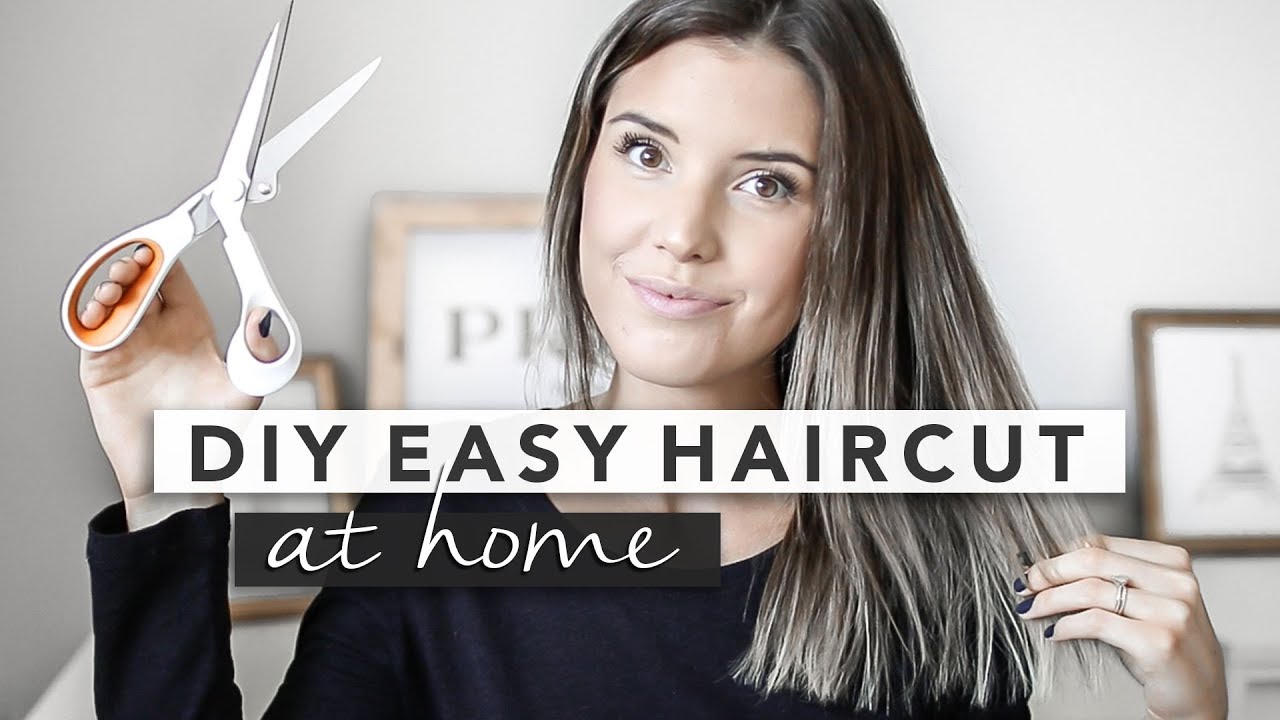
Basic Trimming Techniques:
This section focuses on simple trimming techniques suitable for maintaining existing haircuts or slightly adjusting the length.
- Preparing Your Hair: Start with clean, damp hair. Thoroughly detangle your hair using the wide-tooth comb.
- Sectioning Your Hair: Divide your hair into sections using hair clips. Typically, you’ll create a top section, two side sections, and a bottom section.
- Trimming the Ends: Hold a small section of hair between your fingers, ensuring the ends are aligned. Use the scissors to trim the ends at a slight angle, avoiding blunt cuts. Work your way through each section, ensuring consistent length.
- Checking for Evenness: After trimming each section, step back and examine your hair in the mirror to check for evenness. Use the handheld mirror to inspect the back of your head. Make any necessary adjustments.
DIY Layering Techniques:
Layering adds volume and texture to your hair. However, this technique requires more precision and skill. It’s recommended to start with small, incremental cuts.
- Sectioning for Layers: Divide your hair into horizontal sections, starting from the bottom.
- Creating Layers: Hold a section of hair at a 45-degree angle. Cut the ends at a slight angle, creating layers. The angle of the cut determines the length and shape of the layers. A steeper angle creates shorter layers, while a shallower angle creates longer layers.
- Blending Layers: After creating the layers, blend them together by gently trimming the ends of the layers to create a seamless transition.
- Checking for Balance: Regularly check your hair for evenness and balance. Make adjustments as needed to achieve the desired layered effect.
DIY Bang Trimming:
Trimming bangs at home can be tricky, but it’s achievable with careful attention to detail.
- Preparing Your Bangs: Wash and dry your bangs. It’s easier to trim them when they are dry, allowing you to see the final shape more accurately.
- Sectioning Your Bangs: Divide your bangs into smaller sections using clips.
- Trimming Your Bangs: Hold a small section of bangs between your fingers, creating a slight curve. Use small, precise snips to trim the ends, removing only small amounts of hair at a time.
- Blending Your Bangs: After trimming, blend the bangs with the rest of your hair by gently trimming the edges.
- Checking for Evenness: Check your bangs from different angles to ensure evenness. Make any necessary adjustments.
Advanced Techniques (for Experienced DIYers):
- Point Cutting: This technique uses the tips of the scissors to create texture and remove bulk without significantly shortening the hair. It’s useful for adding volume to fine hair or softening the edges of a layered haircut.
- Slide Cutting: This technique involves sliding the scissors along the hair shaft, creating soft, blended layers. It’s a more advanced technique that requires practice and precision.
Troubleshooting Common Mistakes:
- Uneven Cuts: This is a common mistake, often caused by rushing the process or using dull scissors. Take your time and use sharp scissors.
- Too Much Hair Removed: Start with small, incremental cuts to avoid removing too much hair. It’s easier to remove more hair than to add it back.
- Choppy Layers: This can result from aggressive cutting or improper blending. Use gentler techniques and blend the layers carefully.
- Bangs Too Short: This is a common mistake when trimming bangs. Start with small cuts and check your progress frequently.
When to Seek Professional Help:
While DIY haircuts offer convenience, there are situations where seeking professional help is recommended:
- Significant Hair Changes: For major changes like a drastic haircut or complex layering, it’s best to consult a professional stylist.
- Unsatisfactory Results: If you’re unhappy with your DIY haircut, a professional stylist can rectify the situation.
- Difficult Hair Types: Curly or extremely thick hair can be challenging to cut at home. A professional stylist has the expertise to handle these hair types effectively.
Conclusion:
DIY haircuts offer a fantastic opportunity to save money and time while experimenting with your hair. This guide provides a solid foundation for tackling various haircut techniques at home. Remember to prioritize patience, precision, and safety. With practice and the right tools, you can achieve impressive results and enjoy the satisfaction of a fresh, self-styled look. However, always remember that a professional stylist can provide the best results, especially for complex haircuts or significant changes. This guide empowers you with knowledge and techniques, but it’s crucial to acknowledge the limitations of DIY haircuts and to seek professional help when necessary.


