The Low Fade Haircut: A Timeless Classic Reimagined
The low fade haircut, a seemingly simple yet endlessly versatile style, has cemented its place as a cornerstone of modern men’s grooming. Its understated elegance and adaptability across various hair lengths and textures have made it a perennial favorite, transcending fleeting trends to remain a consistently popular choice. This article delves into the intricacies of the low fade, exploring its variations, styling options, and the reasons behind its enduring appeal.
Understanding the Low Fade:
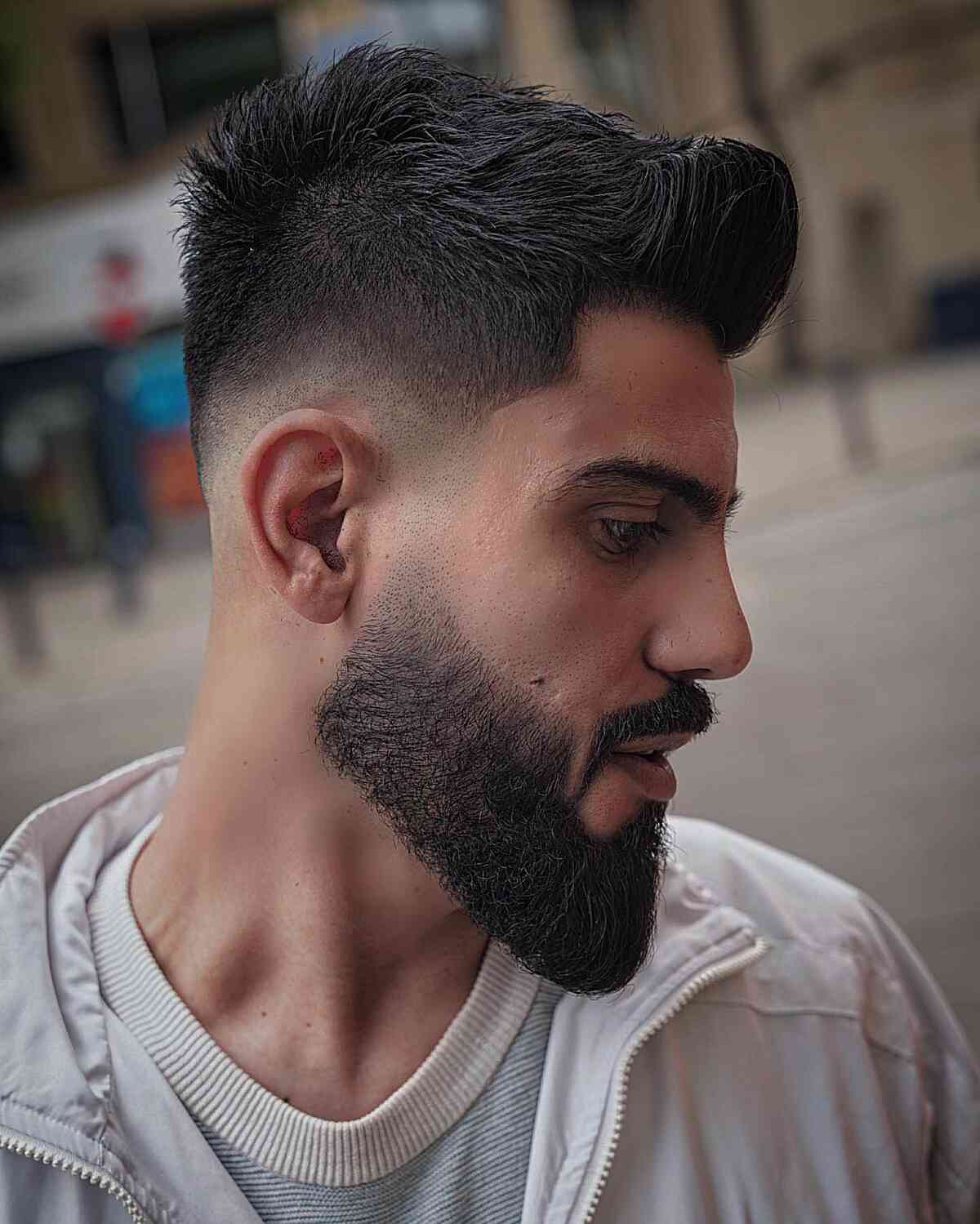
Unlike its higher counterparts – the mid fade and high fade – the low fade subtly blends the hair on the sides and back into the skin, starting at a lower point on the head, typically around the ears or slightly above. This gradual transition creates a clean, refined look that’s less dramatic and more understated than its bolder siblings. The low fade’s subtle nature allows it to be paired with a wide array of top styles, making it incredibly adaptable to individual preferences and face shapes.
The Anatomy of a Low Fade:
Several factors contribute to the overall aesthetic of a low fade, creating a spectrum of possibilities:
-
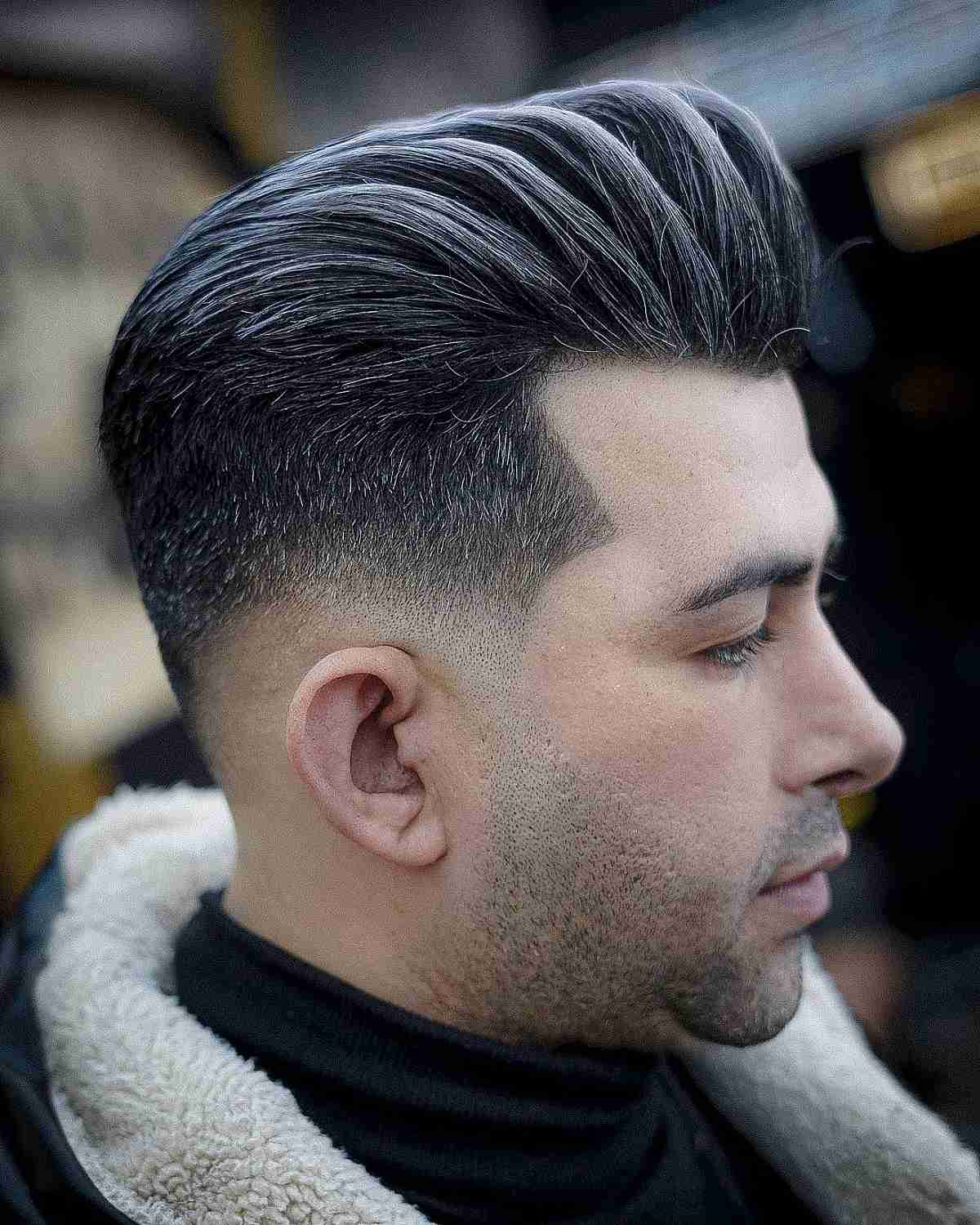
The Fade Line: This is the crucial element defining the fade. A clean, sharp line indicates precision and a polished look, while a softer, more blended line creates a more natural, less structured feel. The location of this line significantly impacts the overall appearance. A lower fade line keeps the faded area closer to the ears and nape of the neck, maintaining more hair on the sides.
-
The Fade Length: The length of the hair at the top of the fade, before it begins to transition, influences the overall look. A longer length can provide a more substantial base for the fade, while a shorter length creates a sleeker, more streamlined effect.
-
The Fade Type: While generally smooth and gradual, the low fade can incorporate different techniques to achieve varying textures and effects. A skin fade seamlessly blends the hair into the skin, while a shadow fade creates a slightly longer, less defined transition.
-
The Top Style: The low fade’s versatility shines through in its compatibility with a vast range of top styles. From short, textured crops to longer, more styled looks, the possibilities are virtually limitless. This adaptability allows individuals to personalize the style to suit their personality and lifestyle.
Variations of the Low Fade:
The low fade is not a monolithic style; rather, it serves as a foundation for numerous creative variations:
-
Low Fade with a Pompadour: This classic combination marries the clean lines of the low fade with the volume and height of a pompadour, creating a sophisticated and stylish look. The contrast between the sleek sides and the voluminous top adds a touch of elegance and dynamism.
-
Low Fade with Textured Crop: This pairing offers a modern, effortlessly cool vibe. The short, textured top enhances the fade’s clean lines, creating a balanced and contemporary aesthetic. This style is relatively low-maintenance, making it ideal for busy individuals.
-
Low Fade with Quiff: The low fade provides a perfect canvas for a quiff, allowing the volume and lift of the quiff to stand out. This combination offers a stylish and versatile look that can be dressed up or down depending on the occasion.
-
Low Fade with Undercut: This variation features a more dramatic contrast between the faded sides and the longer hair on top, creating a bold and edgy look. The undercut adds a touch of rebellion and individuality, making it a popular choice among those seeking a more distinctive style.
-
Low Fade with Side Part: A simple yet elegant choice, the low fade with a side part offers a classic and sophisticated look. This style is versatile and can be adapted to suit various occasions and personal preferences.
-
Low Fade with Long Hair: For those who prefer longer hair on top, a low fade provides a striking contrast, allowing the length and texture of the top hair to take center stage. This combination offers a unique and stylish look, suitable for those who appreciate a more unconventional approach to styling.
Styling the Low Fade:
Maintaining and styling a low fade requires minimal effort, but the right products and techniques can significantly enhance the overall look:
-
Hair Products: Depending on the desired look, various hair products can be employed. Pomades offer shine and hold, while clays and pastes provide texture and a more matte finish. Mousses can add volume, while gels offer a strong hold for more structured styles.
-
Styling Techniques: The styling technique depends largely on the top style. For shorter styles, a simple comb-over or textured finish might suffice. Longer styles might require the use of a hairdryer and styling tools to achieve the desired volume and shape.
-
Maintenance: Regular trims are crucial for maintaining the sharpness of the fade and the overall neatness of the style. Visiting a barber every 2-3 weeks is recommended to keep the fade looking its best.
Choosing the Right Low Fade for You:
The ideal low fade depends on several factors:
-
Hair Type: The thickness, texture, and curl pattern of your hair will influence the suitability of different fade variations and top styles.
-
Face Shape: The low fade can be adapted to complement various face shapes. For instance, a low fade with a slightly longer top can help balance out a round face, while a low fade with a textured crop can suit a square face.
-
Lifestyle: Consider your lifestyle and the level of maintenance you’re willing to commit to. Some low fade variations require more styling than others.
-
Personal Preference: Ultimately, the best low fade is the one that best reflects your personal style and preferences.
The Enduring Appeal of the Low Fade:
The low fade’s enduring popularity stems from its versatility, understated elegance, and low-maintenance nature. It seamlessly blends classic and modern elements, offering a clean and sophisticated look that transcends fleeting trends. Its adaptability allows it to be tailored to individual preferences and face shapes, making it a truly versatile and timeless style. Whether paired with a short, textured crop or a longer, more styled top, the low fade remains a consistently popular and stylish choice for men of all ages and backgrounds. Its subtle yet impactful nature ensures it will continue to be a staple in men’s grooming for years to come. The low fade is more than just a haircut; it’s a statement of understated sophistication and effortless cool.


