The Taper Fade Haircut: A Comprehensive Guide
The taper fade haircut has become a staple in men’s grooming, offering a versatile and stylish option for a wide range of hair types and face shapes. Its popularity stems from its clean, modern aesthetic and its adaptability to various lengths and styles on top. This comprehensive guide will delve into the nuances of the taper fade, exploring its variations, styling options, and how to choose the perfect fade for your individual characteristics.
Understanding the Taper Fade
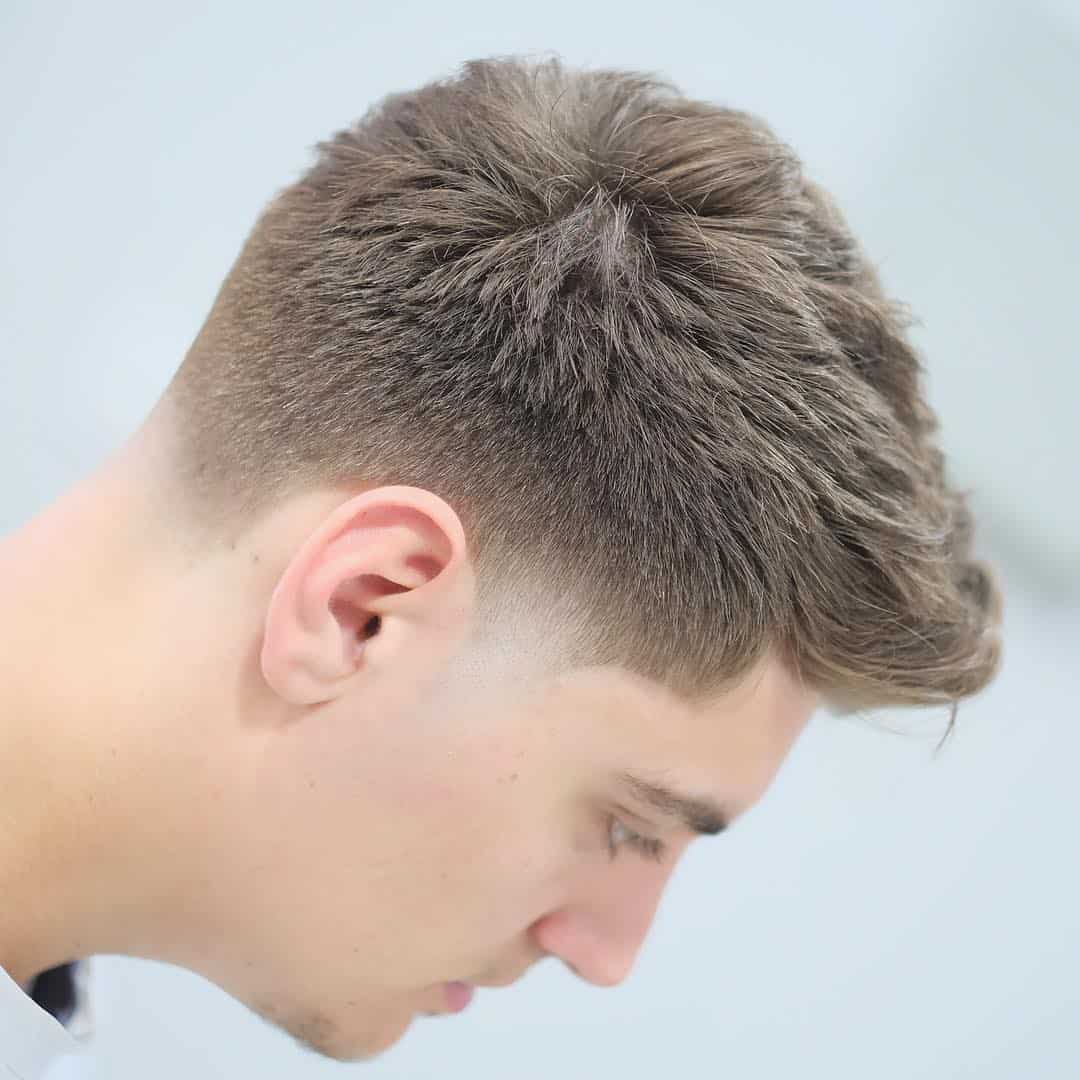
At its core, a taper fade involves a gradual shortening of the hair from the sides and back, blending seamlessly into the skin. Unlike a drastic undercut, the transition is smooth and progressive, creating a sophisticated and refined look. The "taper" refers to this gradual decrease in hair length, creating a natural, almost shadowed effect. This contrasts with a "fade," which implies a more dramatic and abrupt shortening, often leaving the skin completely exposed. While the terms are often used interchangeably, subtle differences exist.
Types of Taper Fades
The beauty of the taper fade lies in its versatility. Numerous variations cater to different preferences and hair textures. Let’s explore some key types:
-
Low Taper Fade: This classic style features a gradual shortening that begins low on the head, typically around the ears and temples. The fade is subtle, maintaining a good amount of hair length on the sides, making it a versatile choice for various hairstyles on top.
-
Mid Taper Fade: A mid taper fade starts midway up the sides and back, offering a more noticeable fade while still retaining a significant amount of hair length. It strikes a balance between a subtle and dramatic fade, making it a popular choice for those seeking a more defined look.
-
High Taper Fade: The high taper fade starts higher up the head, closer to the crown. This creates a more dramatic and noticeable fade, leaving less hair on the sides and emphasizing the contrast with the top. This style is ideal for those who prefer a bolder, more contemporary look.
-
Skin Fade: This extreme variation involves fading the hair all the way to the skin, creating a stark contrast between the shaved sides and the hair on top. A skin fade requires precision and skill from the barber and is a popular choice for modern and edgy hairstyles.
-
Temp Fade: This style focuses on fading only the temples, leaving the back with more length. It’s a less dramatic variation, ideal for those who prefer a more subtle fade without significantly altering the overall hair length on the sides.
-
Drop Fade: The drop fade is a more advanced technique that involves a curved fade line, typically starting high on the temples and gradually dropping down towards the nape of the neck. This creates a visually interesting and dynamic look.
-
Bald Fade: Similar to a skin fade, a bald fade achieves a completely shaved look on the sides and back, creating a sharp contrast with the hair on top. The difference often lies in the technique and the sharpness of the line.

Choosing the Right Taper Fade for Your Face Shape
The ideal taper fade depends heavily on your face shape. Choosing the right one can enhance your features and create a balanced and harmonious look.
-
Oval Face: An oval face shape can pull off almost any taper fade, offering significant flexibility in style choices.
-
Round Face: A high taper fade can help elongate a round face, creating a more defined look. Avoid overly voluminous styles on top to prevent the face from appearing wider.
-
Square Face: A low or mid taper fade can soften the angular features of a square face. A slightly longer top can balance the strong jawline.
-
Long Face: A low taper fade with a fuller top can visually shorten a long face, creating a more balanced proportion.
-
Heart Face: A low to mid taper fade with a slightly longer top can help balance a heart-shaped face, drawing attention away from the pointed chin.
Hair Texture and Taper Fades
Hair texture plays a crucial role in determining the suitability of a taper fade.
-
Thick Hair: Thick hair can handle a high taper fade, allowing for a strong contrast between the sides and the top. The thickness provides ample volume for various top styles.
-
Thin Hair: A low taper fade is generally recommended for thin hair, as it maintains more length on the sides, creating the illusion of thicker hair. Avoid overly short fades that might emphasize thinning areas.
-
Curly Hair: Curly hair requires a skilled barber to create a smooth taper fade. The barber needs to consider the curl pattern and ensure a natural blend to avoid a choppy or uneven look.
Styling Your Taper Fade
Once you’ve chosen your taper fade, styling is crucial to complete the look. Numerous options exist, depending on your hair length and personal preference.
-
Short and Spiky: Perfect for shorter hair on top, this style involves using a styling product to create texture and definition, resulting in a spiky, edgy look.
-
Slick Back: This classic style involves combing the hair back smoothly, creating a sleek and sophisticated appearance. Pomade or hair gel is typically used to achieve this look.
-
Side Part: A side part adds a touch of sophistication and elegance, working well with various lengths on top.
-
Textured Pompadour: A textured pompadour adds volume and height on top, creating a bold and stylish look. This style often requires a slightly longer top.
-
Undercut with Taper Fade: This stylish combination pairs a taper fade with an undercut, creating a dramatic contrast between the shaved sides and the longer hair on top.
Maintaining Your Taper Fade
Maintaining a taper fade requires regular trims to keep the lines sharp and the fade clean. Depending on your hair growth rate, you’ll likely need a touch-up every 2-4 weeks. Regular washing and conditioning will also help maintain the health and appearance of your hair.
Finding the Right Barber
Finding a skilled barber is crucial for achieving a perfect taper fade. Look for barbers with experience in men’s grooming and a strong portfolio showcasing their work. Read online reviews and check out their social media presence to assess their skill level. Don’t hesitate to consult with the barber beforehand to discuss your preferences and ensure they understand your vision.
Conclusion
The taper fade haircut offers a versatile and stylish option for men of all ages and styles. Its adaptability to various lengths, face shapes, and hair textures makes it a timeless classic. By understanding the different types of taper fades, choosing the right one for your individual characteristics, and finding a skilled barber, you can achieve a polished and modern look that enhances your personal style. Remember to maintain your fade regularly to keep it looking sharp and fresh. The taper fade is more than just a haircut; it’s a statement of personal style and attention to detail. Embrace the versatility and explore the endless possibilities this iconic style offers.


