The Wolf Cut: A Howling Success in the Hair World
The wolf cut. The name itself conjures images of untamed wilderness, a rebellious spirit, and a style that’s both edgy and effortlessly cool. And that’s precisely what this haircut delivers. More than just a fleeting trend, the wolf cut has cemented its place in the pantheon of iconic hairstyles, captivating stylists and clients alike with its versatility and striking visual impact. But what exactly is a wolf cut, and why has it captured the hearts (and heads) of so many?
This article delves deep into the world of the wolf cut, exploring its origins, defining characteristics, variations, styling techniques, maintenance requirements, and suitability for different hair types and face shapes. We’ll also examine its enduring appeal and its place within the broader context of modern hair trends.

Understanding the Wolf Cut’s Unique Identity
The wolf cut is a multifaceted hairstyle that skillfully blends elements of several popular cuts, resulting in a unique and dynamic look. It draws inspiration from the shag, the mullet, and the classic layered cut, creating a hybrid that’s both modern and nostalgic. The key distinguishing features are:
-
Layered Texture: Unlike many blunt cuts, the wolf cut is characterized by its abundant layers. These layers are strategically placed to create volume, movement, and texture throughout the hair. The layers are typically shorter around the crown and gradually lengthen towards the bottom, contributing to the overall shag-like effect.
-
Face-Framing Layers: Soft, face-framing layers are a crucial element of the wolf cut. These layers help to soften the overall look, adding a touch of femininity and highlighting the face’s features. The length and style of these layers can be customized to suit individual preferences and face shapes.
-
Choppy Ends: The ends of the hair are usually cut with a choppy, textured finish, rather than a blunt or sleek edge. This adds to the overall unkempt, yet stylish, vibe of the cut. The choppiness contributes significantly to the cut’s movement and volume.
-
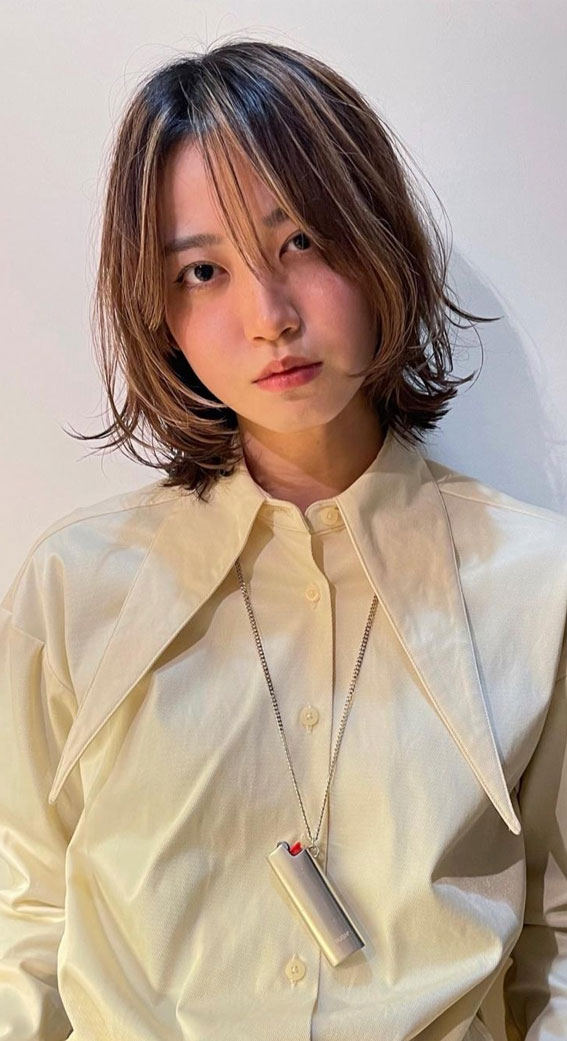
Varying Lengths: The wolf cut is adaptable to various lengths, from shoulder-length to long. However, the most popular versions tend to fall somewhere between chin-length and shoulder-length, allowing for maximum versatility in styling.
-
Versatility: This is arguably the wolf cut’s greatest strength. It can be styled in countless ways, from sleek and straight to tousled and wavy, allowing for a high degree of personalization. This adaptability makes it suitable for a wide range of personalities and lifestyles.
The Evolution and Inspiration Behind the Wolf Cut
While pinpointing the exact origin of the wolf cut is difficult, its emergence can be traced back to a confluence of existing trends and a desire for a more rebellious, less structured hairstyle. The resurgence of 70s and 90s fashion trends played a significant role, with the shag and mullet cuts experiencing a notable comeback. The wolf cut cleverly incorporates elements from both, creating a modern interpretation that feels both familiar and fresh.
Influenced by the carefree spirit of the shag and the bold asymmetry of the mullet, the wolf cut offers a sophisticated alternative to these classic styles. It retains the volume and texture of the shag while avoiding its sometimes overly voluminous appearance. It also incorporates the mullet’s contrasting lengths, but in a more subtle and refined manner, avoiding the stark, sometimes jarring, contrast of a traditional mullet.
Styling the Wolf Cut: Unleashing its Potential
The beauty of the wolf cut lies in its versatility. It can be styled to suit a variety of occasions and personal preferences. Here are some popular styling options:
-
Air-dried: For a natural, effortless look, simply air-dry the hair after washing. Apply a texturizing product for added volume and definition.
-
Straight: A sleek, straight wolf cut can be achieved with a flat iron. This style showcases the precise layering and texture of the cut.
-
Wavy: Beach waves or loose curls add a romantic and bohemian touch to the wolf cut. Use a curling iron or texturizing spray to achieve the desired waves.
-
Curly: The wolf cut can also be styled on naturally curly or coily hair, creating a voluminous and textured look. Use a curl-defining product to enhance the curls and prevent frizz.
-
Accessorized: Add accessories like headbands, clips, or scarves to personalize the look and add a touch of flair.
Maintenance and Care for a Wolf Cut
While the wolf cut is relatively low-maintenance compared to some other styles, regular trims are essential to maintain its shape and prevent the layers from becoming overly shaggy or uneven. Aim for a trim every 4-6 weeks to keep the cut looking its best.
Regular conditioning is also crucial to keep the hair healthy and prevent dryness, especially if using heat styling tools. Investing in a good quality shampoo and conditioner specifically designed for your hair type will help maintain the health and shine of your wolf cut.
Is a Wolf Cut Right for You? Considering Hair Type and Face Shape
The wolf cut is surprisingly versatile and can be adapted to suit a range of hair types and face shapes. However, certain considerations can help you determine if it’s the right choice for you:
-
Hair Type: The wolf cut works well on most hair types, including straight, wavy, and curly hair. However, those with very fine hair might need to use volumizing products to achieve the desired texture and fullness. Those with very thick hair may require more frequent trims to manage the volume.
-
Face Shape: The face-framing layers of the wolf cut can be customized to flatter various face shapes. For example, longer layers around the face can soften a square or round face, while shorter layers can add dimension to a longer face. Consulting with a stylist is recommended to determine the best layering for your specific face shape.
The Enduring Appeal of the Wolf Cut
The wolf cut’s enduring popularity stems from its unique blend of edginess and sophistication. It’s a hairstyle that allows for self-expression and individuality, offering a sense of freedom and rebellion without sacrificing style. Its versatility allows it to adapt to changing trends and personal preferences, ensuring its continued relevance in the ever-evolving world of hair fashion.
The wolf cut is more than just a haircut; it’s a statement. It’s a reflection of a confident, independent spirit, a style that embraces texture, movement, and a touch of untamed wildness. Whether you’re seeking a bold transformation or a subtle refresh, the wolf cut offers a captivating and undeniably stylish option. Its enduring appeal lies in its ability to seamlessly blend classic elements with modern sensibilities, creating a timeless look that’s sure to turn heads. So, if you’re looking for a hairstyle that’s both edgy and elegant, the wolf cut might just be the perfect choice for you. Just remember to consult with a skilled stylist to ensure the cut is tailored to your specific hair type and face shape, unlocking the full potential of this howlingly good hairstyle.


